


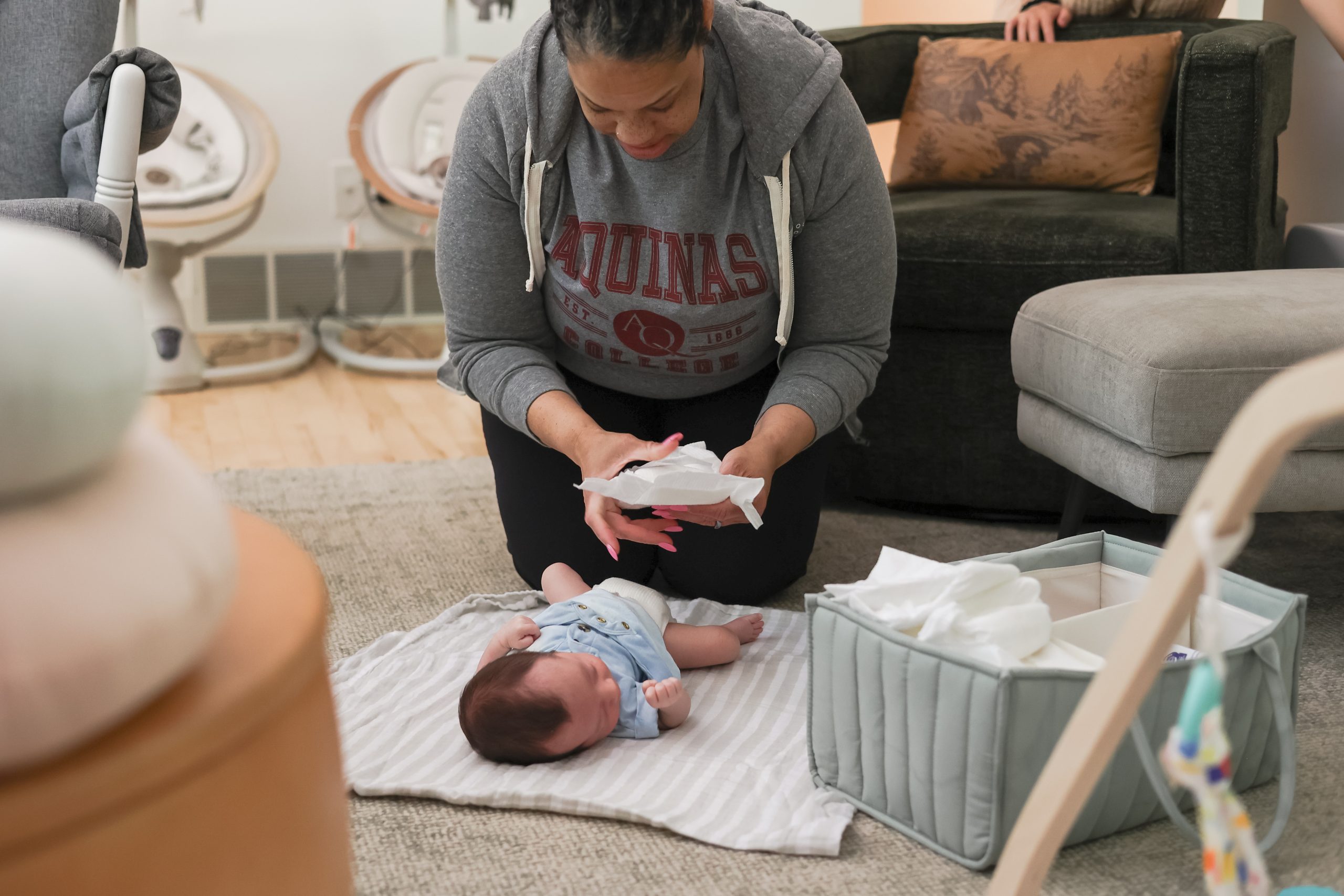
Nobody really warns you about the days after birth. You’re home with this beautiful tiny human—you finally made it. But you’re also running on 90-minute sleep stretches, figuring out how to use the bathroom again, and navigating your own self-care.
The truth is, those first few weeks are genuinely abrupt. The good news is, you don’t have to tackle them alone. A postpartum doula is the kind of support that meets you exactly where you are—tired, overwhelmed, and figuring it all out in real time. So, what exactly does a postpartum doula do? Let’s dig in.
So, What Does a Postpartum Doula Do?
Think of a postpartum doula as a combination of a newborn expert, emotional support system, and knowledgeable friend who’s seen it all before—and has helpful solutions.
“Postpartum doulas can help with the newborn in hospital or home after delivery,” says Kristin Revere, MM, CED, NCS, a newborn care specialist, certified birth and postpartum doula and the founder of Gold Coast Doulas in Grand Rapids, Michigan. “They focus on caring for the entire family, including the newborn and mother during recovery.”
At Gold Coast Doulas, for example, postpartum doulas are trained, certified, background-checked, and insured. Their support spans:
- Newborn care education
- Feeding guidance (breast, bottle, or both—no judgment here)
- Physical and emotional recovery support for the birthing parent
- Light housekeeping
- Support building systems and routines that work for your family
This isn’t a babysitter. This is specialized, expert care during one of the most vulnerable transitions of your life.
What Postpartum Support Looks Like: Daytime & Overnight
Daytime postpartum doula support
During daytime hours, your postpartum doula is a hands-on educator and support system. They’ll walk you through newborn care—safe sleep practices, soothing techniques, feeding cues, infant hygiene—while you’re right there learning alongside them.
They can also help you process your birth experience, navigate the emotional waves of the postpartum period, tackle light household tasks so you can actually rest, and support siblings and partners adjusting to the new family dynamic, too.
Overnight postpartum doula
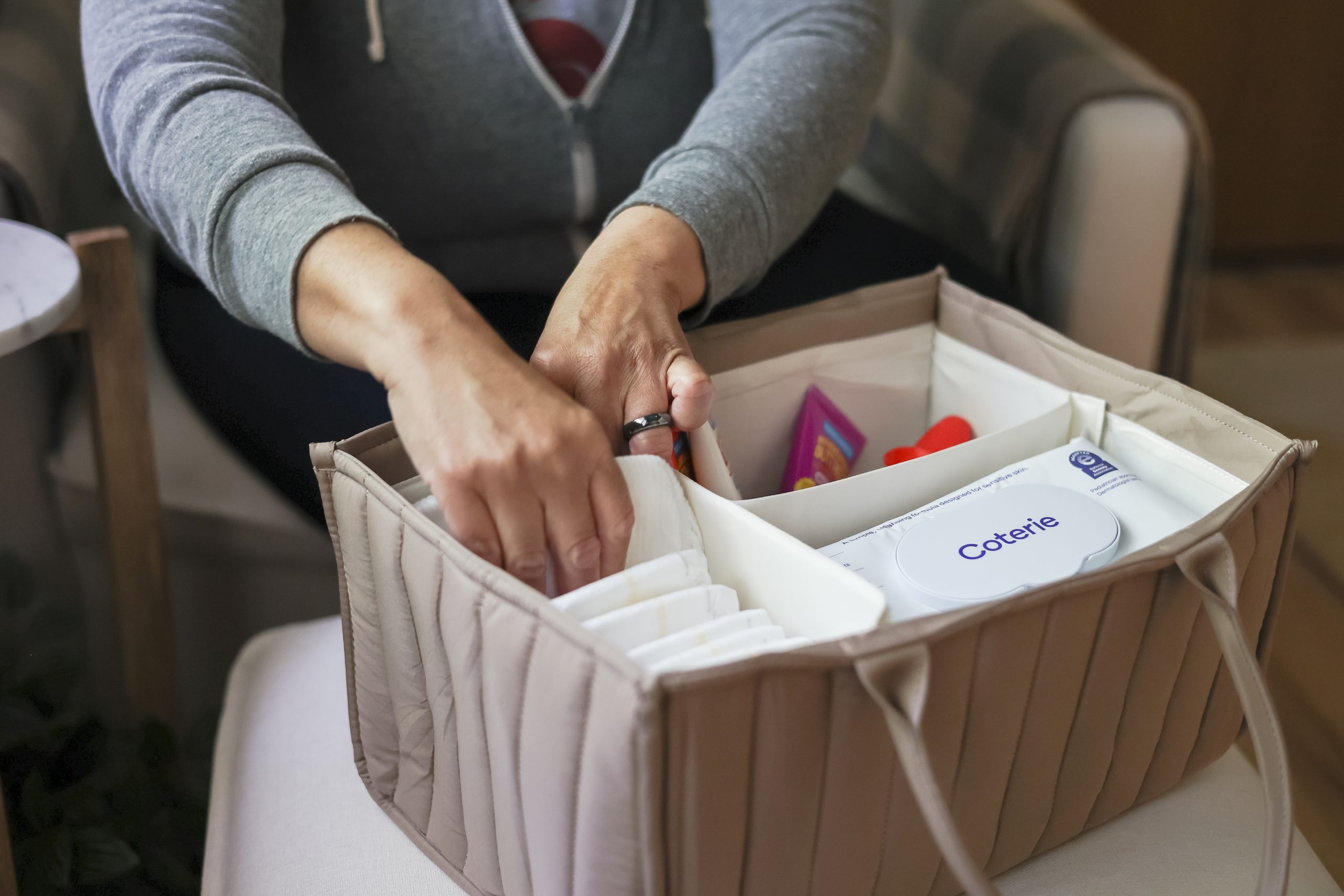
An overnight postpartum doula works a dedicated shift—typically 10 p.m. to 6 a.m.—handling feedings, diaper changes, and soothing throughout the night so you can sleep in meaningful stretches.
If you’re breastfeeding, they’ll bring baby to you, support the feeding, and settle baby back down. If you’re bottle feeding, you may not need to wake up at all. On top of all that, you’re still getting the emotional support, newborn care advice, and expert guidance that a daytime postpartum doula provides.
“Most adults need seven to eight hours per night, especially in the newborn stage,” shares Kristin. “So hiring a postpartum doula is an amazing way to get more rest during those initial weeks postpartum.”
It’s also worth noting the difference between a night nanny and an overnight postpartum doula: a night nanny typically follows your instructions. An overnight doula brings that training, guidance, and expertise we talked about—helping you build a real plan, not just get through the night.
Why Those Early Weeks Matter More Than You Think
The postpartum period is often called the “fourth trimester” for good reason. Your body and mind are going through a massive transition, and what happens in those early weeks has a real, lasting impact. We’re talking physical recovery (vaginal or C-section), hormonal shifts, milk supply, mental health, and your long-term confidence as a parent.
The fact is, too many parents are sent home with a baby and left to figure it out alone. Daytime and overnight postpartum support is genuinely helpful for postpartum parents—we know this at Gold Coast Doulas. And we know what true support looks like and how to personalize it for your growing family.
Who Benefits from Postpartum Doula Support?
Short answer? Almost everyone. But postpartum doula support is especially impactful for:
- First-time parents who feel completely lost and need a patient, knowledgeable guide
- Parents of multiples managing double (or triple) the feeds, diapers, and demands
- Those recovering from C-sections or difficult births, where extra nighttime help really matters
- Families without a local village—no nearby grandparents, no built-in help network
- Parents who simply want to thrive in the newborn stage, not just survive it
How to Know If a Postpartum Doula Is Right for Your Family
There’s no wrong reason to want support. Whether you’re navigating your first baby, your third, a complicated recovery, or simply the weight of doing something you’ve never done before, you deserve real help.
“With the right support, this can be a transformative and empowering experience,” says Kristin. “We want to give families information, resources, and expert advice that we wish we had.”
Bottom line? If you’re asking whether a postpartum doula could help, it probably can. Because the best thing you can do for your baby is take care of yourself, too.
You Don’t Have to Figure This Out Alone
The early weeks are hard. That’s not a personal failing—it’s just the reality of bringing a new human into the world and adjusting everything you know. But here’s what’s also true: incredible support exists, and you deserve to have it.
Whether you’re planning ahead or submitting our contact form at 2 a.m., wondering where to start—Gold Coast Doulas is here. Support is available for daytime and overnight care. We serve families across West Michigan and beyond, and accept HSA/FSA accounts plus fertility benefits programs, including Carrot Fertility, Maven, and Progyny.
And if you’re a friend or family member who wants to help from afar? Postpartum doula support makes one of the most meaningful baby shower gifts imaginable.
Kristin Revere, MM, CED, NCS, is a newborn care specialist, certified birth and postpartum doula and the founder of Gold Coast Doulas in Grand Rapids, Michigan. She is also the co-host of Ask the Doulas Podcast and co-author of Supported: Your Guide to Birth and Baby.