


March 17, 2026
The Surprising Science of Newborn Vision
What Babies Actually See in Their First Months (and How Parents Can Support It)
When a baby is born, we often assume they see the world the same way we do—just a smaller version of adult vision. But the truth is much more fascinating.
Newborns enter the world with vision that is still rapidly developing, and the way they see shapes, patterns, and faces during the first few months plays an important role in brain development. Understanding how newborn vision works can help parents create simple moments of connection, stimulation, and calm during those early weeks of life.
What Newborns Actually See
At birth, babies can only clearly focus on objects 8–12 inches away, which just happens to be the distance between a baby and a caregiver’s face while being held or fed. This isn’t a coincidence. Human babies are biologically wired to focus on the most important thing for survival: their caregivers.
However, newborn vision is still immature in several ways:
- They see blurry shapes rather than sharp details
- They struggle to distinguish similar colors
- They are highly sensitive to contrast rather than color
Because of this, bold black-and-white patterns are easiest for newborns to see. Pastel toys or muted nursery decor may look beautiful to adults, but to a newborn they often appear washed out or indistinguishable. This is why babies often become completely mesmerized by high-contrast shapes.
Why High-Contrast Patterns Matter for Development
Visual stimulation plays a powerful role in early brain development. During the first few months of life, babies are building millions of neural connections every second. When they focus on shapes, patterns, and movement, they are strengthening pathways between the eyes and the brain.
High-contrast patterns help support:
- Visual tracking
- Focus and attention
- Early cognitive development
- Coordination between eye muscles
Research in infant development has consistently shown that babies spend longer looking at high-contrast images than low-contrast ones. In other words, these patterns naturally capture and hold their attention. That sustained focus is exactly what helps build visual skills.
The Development of Vision: Month by Month
Understanding how vision evolves can help parents offer developmentally appropriate stimulation.
Birth to 1 Month
During the first few weeks, babies mostly notice:
- Faces
- Bold shapes
- Light and dark contrasts
They can follow slow-moving objects briefly, but their visual world is still quite blurry. The most engaging things for newborns are human faces and simple patterns.
2–3 Months
At this stage, babies begin to:
- Track moving objects more smoothly
- Focus longer on interesting visuals
- Recognize familiar faces
- Start distinguishing simple colors
They are also becoming more curious about the world around them.
4–6 Months
Vision becomes much clearer, and babies begin to develop:
- Depth perception
- Hand-eye coordination
- Interest in reaching and grabbing objects
At this stage they are integrating vision with movement, which is a big developmental milestone.
Simple Ways Parents Can Support Visual Development
The good news is that supporting newborn vision does not require complicated toys or activities. In fact, the simplest interactions are often the most powerful. Here are a few easy ways parents can nurture visual development.
- Face-to-Face Time – Talking, smiling, and making eye contact with your baby is one of the most beneficial activities for early brain development. Babies are naturally drawn to faces and will spend long periods studying expressions.
- Tummy Time with Visual Interest – Tummy time can be challenging for many babies, but adding a high-contrast visual nearby can make the experience more engaging. This might include a patterned blanket, book, or clothing with bold shapes.
- Slow Movement – Babies love watching objects move slowly across their field of vision. Caregivers can gently move a toy or patterned object from side to side to encourage visual tracking.
- Pattern Exploration – High-contrast patterns give babies something interesting to focus on while they are awake and alert. This doesn’t need to be complicated—simple bold shapes can be incredibly engaging.
Products That Support Early Visual Development
Once parents learn that newborns are naturally drawn to high-contrast shapes, many begin looking for simple ways to incorporate those visuals into everyday routines. Fortunately, supporting early visual development doesn’t require complicated toys or elaborate activities. Babies are just as happy studying patterns on clothing, blankets, books, or other objects during their awake windows.
High-contrast visuals can be especially helpful during moments like:
- Tummy time
- Diaper changes
- Awake time in a bassinet or play space
- Quiet observation while being held
Many parents find that bold patterns give babies something engaging to focus on, which can sometimes extend those calm, alert moments.
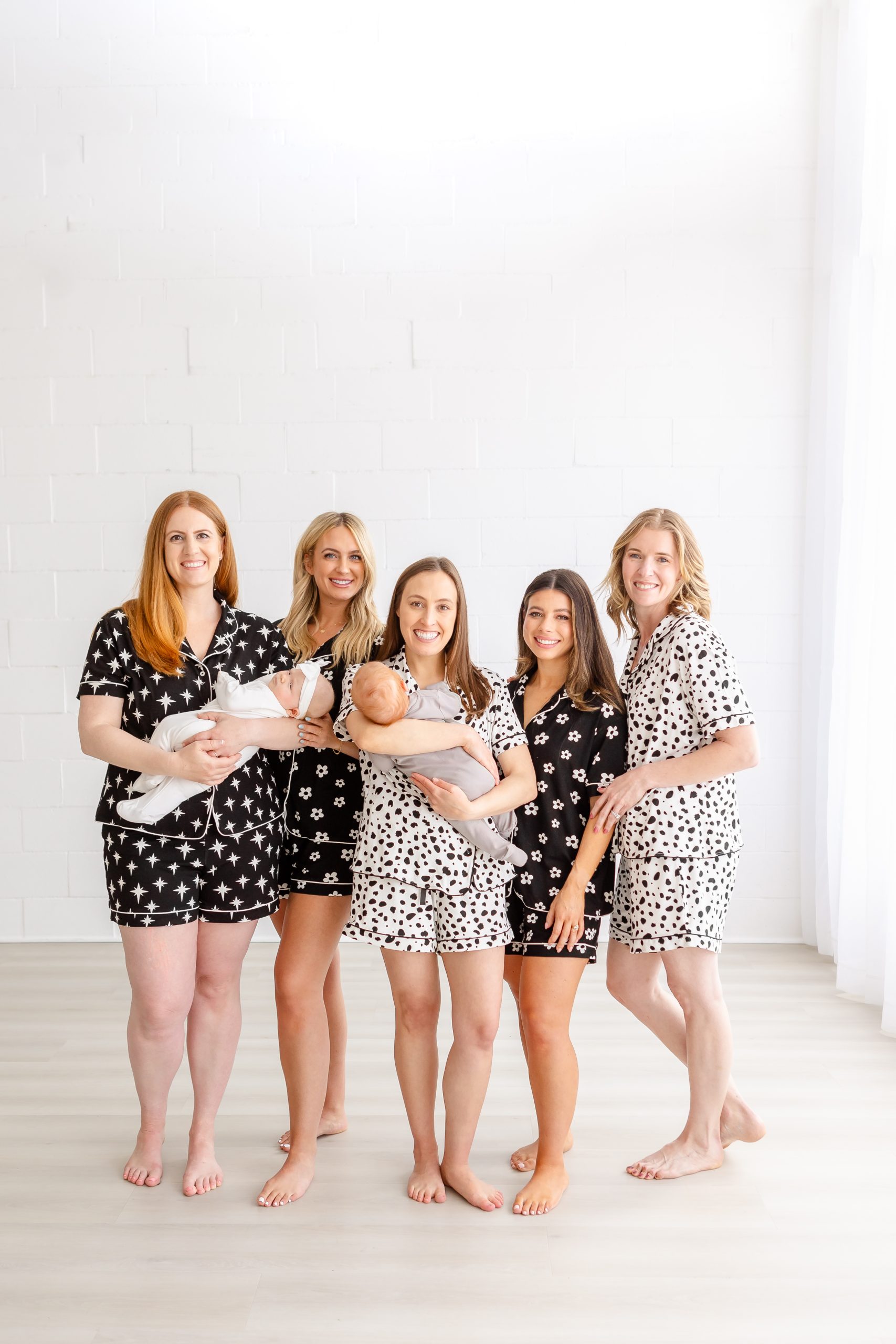
This idea inspired seesee, a pajama brand designed specifically for postpartum moms with newborn vision development in mind. seesee pajamas feature intentional high-contrast patterns and shapes that babies can actually focus on in their earliest months. The goal is simple: create baby essentials that are not only soft and comfortable, but also visually interesting for developing eyes.
You can explore the full collection here: https://shopseesee.com.
Why Simple Stimulation Matters
New parents are often overwhelmed by the idea that they must constantly entertain or stimulate their baby. In reality, babies benefit most from gentle, simple, consistent interactions.
- Eye contact
- Talking
- Holding
- Watching patterns or movement
These everyday moments are what build the foundation for cognitive development. High-contrast visuals simply give babies another interesting way to explore their new world.
The Beauty of Early Curiosity
One of the most magical things about newborns is how curious they are. Even something as simple as a bold pattern or a caregiver’s smile can capture their attention for minutes at a time. Those small moments of focus are not just adorable—they are building blocks for brain development, attention, and learning.
Supporting newborn vision doesn’t require expensive gadgets or complicated programs. Sometimes it’s as simple as holding your baby close and letting them explore the world one shape, face, and pattern at a time.
Want to see the patterns babies love most?
Visit shopseesee.com to explore our high-contrast pajamas designed for newborn development. Use code DOULA for 20% off your order.