


January 16, 2026
What Does a Daytime Postpartum Doula Do? Podcast Episode #325
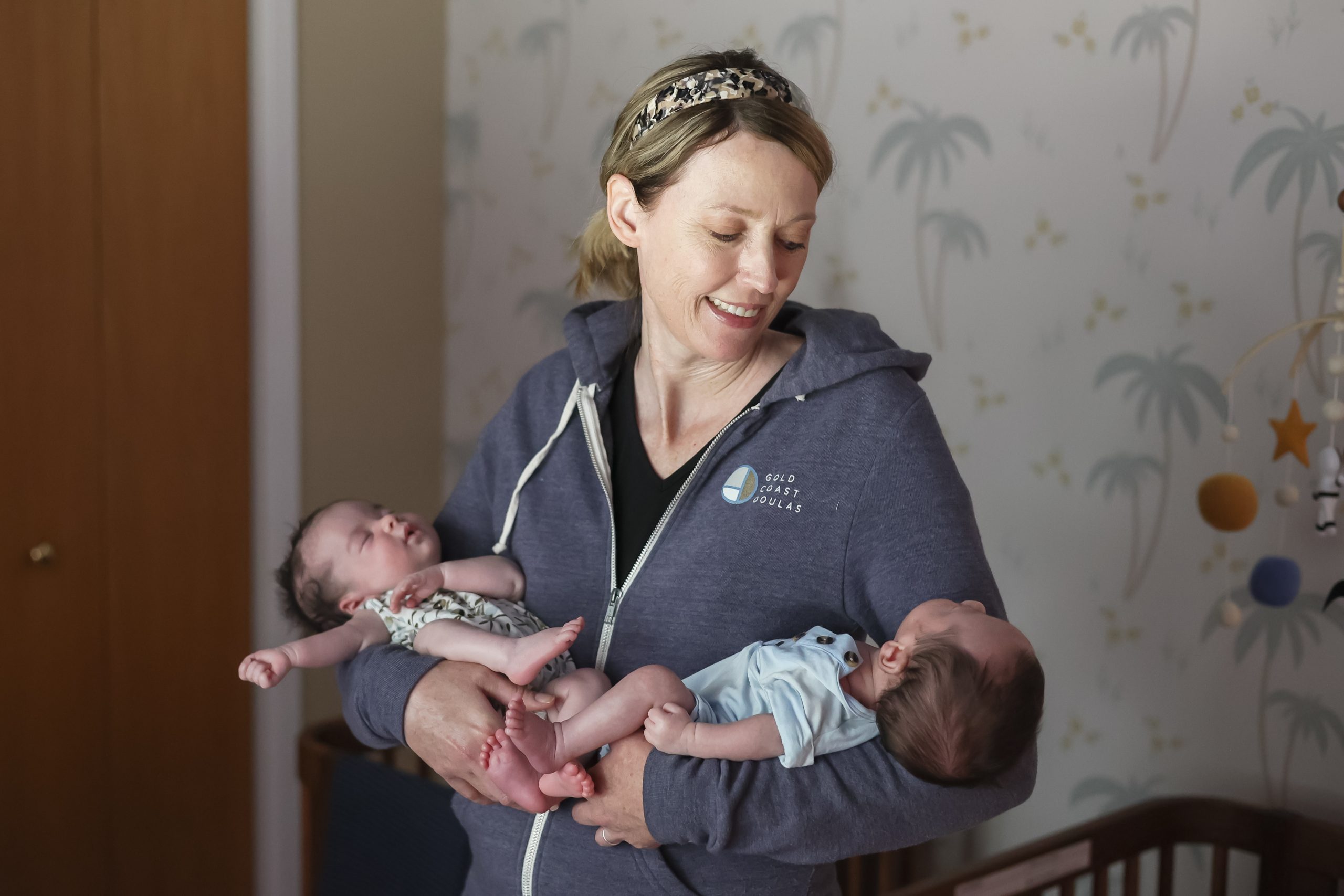
Ever wonder what a daytime postpartum doula actually does? From helping you rest and recover to supporting feeding, soothing, and household routines, this episode breaks down what a typical daytime shift looks like — and why it’s so valuable for new parents.
Listen now on Ask the Doulas podcast to hear Kristin Revere, CEO of Gold Coast Doulas walk through the real-life difference a doula makes in the fourth trimester.
This episode is brought to you by Ceres Chill, a company that never stops working to make the lives of parents easier!
Hello, hello! This is Kristin Revere, host of Ask the Doulas and founder of Gold Coast Doulas. Our topic today in this solo episode is what a daytime postpartum doula does and why it’s so valuable.
This topic is one that I have been wanting to revisit. We have talked generally about postpartum doulas and I’ve even had some of our postpartum doulas on, but I often find when talking to potential clients that they don’t really know what a day would look like during a postpartum shift. And I find from when I spent years doing postpartum doula work myself and now managing and matchmaking the doulas to clients, that every day can be different. It honestly depends on the goals of each family in the moment. It can be the same structure every day and shifts can be different in that in my agency, we have a big team of doulas. So some of our families work with multiple doulas, and they communicate together about how a shift went. They have tips on feeding or newborn care. So it really can look different from household to household or day to day depending on what the needs are. And certainly for our listeners who don’t know what a postpartum doula is – and of course, it depends on the training of the doula – but our role is to help with postpartum recovery in that postnatal time, the maternity leave time. Some postpartum doulas only work during that recovery phase of six to eight weeks, and their goal is more to mother the mother and do household tasks and sibling care. And certainly educational support. The doulas on my team – some of us are newborn care specialists, myself included. And most of the team in their postpartum doula trainings are infant care trained, as well. So many members of my team had an entire day focused just on newborn care, where some doula trainings are more recovery and feeding focused, learning how to support with different household tasks. So that can be a bit unique. I’ve also brought in many different trainers to my organization, everything from disability trainings to supporting plus-size families to different feeding trainings, and NICU trainings, as well. We brought in a NICU nurse trainer this past year, and that was an amazing way to support families. We also work with a lot of twin and triplet families, so we’ve had specific trainings on multiples. Or doulas have done additional continued education on how to support twins and triplets.
So it can honestly depend on the doula. So for families who are listening and expecting, that would be something to ask the doula that you’re interviewing. What is their background? What is their focus? And then thinking about your goal: do you want that friendship and advice from the doula? Are you looking at getting help around the house? Some of our clients are recovering from a surgical birth. They can’t lift things or do things like sweeping or vacuuming. Avoiding going up and down stairs is an issue, even with vaginal births. There is that need to recover and bond with baby and get rest. So even during the day, we are able to allow our clients to take a nap or take a shower or run a very quick errand. We do have at least one parent in the house when our doulas are there, due to liability insurance. But sometimes we are helping optimize the nursery for sleep, helping them figure out baby gear, working on feeding goals, or if they’re trying to get ready to return to work, helping with a pumping plan and sleep shaping.
We do have sleep consultants on our team, three of them. So for our clients who are working with a sleep consultant and have a baby who is three months or older, our daytime doulas can help with the napping and implementing the napping sleep plan, and certainly our overnight doulas can help with the overnight plan. So again, it can be different. And then if there are other kids at home, we can get them snacks or entertain children or allow the parent or parents, if they’re both in the home during the daytime shift, to give attention to the other child or children and we can focus on the newborn. And certainly everything from evidence-based information on feeding or giving suggestions on resources in the community, baby sign groups or music groups, breastfeeding support groups, or natal recovery groups. Or if it’s at that time when our clients can return to fitness, there are Mommy and Me classes or different ways that they can interact with other new moms. We can accompany our clients to pediatrician appointments or do the first grocery shopping trip with them or run an errant for our clients. I’ve done that in my time as a postpartum doula. I’ve also wiped off cars on a snowy day and just done different tasks. It can honestly vary, and some of our clients just want that friendship and someone to talk to. I know after I had my kids, it was quite lonely when my husband went back to work, and you don’t have an adult to talk to. It can certainly vary from parent to parent. And some babies do need more attention and care than others, and since our doulas are trained in infant care, we’re able to really do a lot of that versus more of the mothering the mother.
But in addition to that light housekeeping, we can certainly help them figure out how to prioritize some of their back to work needs and just get some strong systems in the household. Again, just focusing on organizing, cleaning bottle parts, pump parts, and sanitizing everything. We can do light meal preparation. We are not a meal service, but we start a crockpot or get snacks or water refills, whatever it may be, and make sure that our clients are nourishing themselves. And if there are other siblings at home, we can make sure that the children are given snacks or fed. Those are very common tasks of a daytime postpartum doula.
And we do support the parents as much as the baby, helping the family recover, rest, and gain confidence. And I find that since the pandemic times, more families are working from home than ever or doing a hybrid work schedule. Back during the pandemic times, I would be in the home during the day when my clients needed to be on a Zoom call or had a deadline. We’ve had clients go back to school and have exams. So we might get called in to cover any newborn wakings or any time that the parent, even if they are in the home, would need to have attention divided and focused on work. So that is definitely something that we do. We are much different than a nanny, who doesn’t have all of the different trainings that postpartum doulas have. They may have some newborn experience, but they don’t have the knowledge to support feeding or postnatal recovery unless they happen to be a nurse in addition to being a nanny.
So walking through a typical day: we would check in with the client. Some of our clients are list-makers and will have a list of tasks they would like to get completed, which can be helpful. Or we’ll check in with a client and see what their goals are and ask them how they’re doing emotionally, how their recovery is going. If there isn’t a list or if the client doesn’t know, then as doulas we try to attune and see how we can be helpful. If baby is already napping when we arrive, then we can do some quiet household tasks. We can stock up diapers and fold laundry or make sure that the dishes are done and talk to the mother if the baby isn’t sleeping in the same space, say if the baby is in a nursery.
We also check in with the partner if the partner is home, see if they need any resources or support. And we can discuss any newborn care questions, from the cord maintenance to any concern with diaper rash or colic that would be more non-medical, and we can refer is there are issues where a pediatrician should be seen or a lactation consultant. We can give those resources. We can also help with those gadgets and things that our clients received from showers, if they don’t know how to work a particular feeding gadget or aren’t sure how to baby wear. We can help them figure out things together. And certainly just checking in. We are trained to notice signs of perinatal mood disorders, so we like to check in and give resources if we find they’re struggling or check with the partner about what they’re seeing and noticing. And if there are other family members staying in the home or helping in the home, we don’t want to replace what their ideal role is. So we like to work together as a team with grandparents or other friends who are helping in the postnatal time. And at Gold Coast, we work through the first year, so we’re not just there in those first six to eight weeks. Some clients want us there longer, or some clients hire us when they’re returning back to work, especially if they are working from home or their partner is, so they’re able to have some quiet, focused time. Our goal is to have the family feeling calm, feeling supported, feeling more confident. We show how to do some of the newborn care tasks or how to get the latch to be more effective, feel better, minimize any discomfort that they’re having. We know different holds and ways to alleviate any discomfort. And we can certainly vary shifts based on the needs of the family. And every doula is different in what their minimum daytime shift is, but their maximum – at Gold Coast, we offer 24/7. We offer day and night and live-in support if needed. But most of our daytime shifts tend to be shorter, like three to four hours. We do have some families that want the typical 9:00 to 5:00 or 8:00 to 5:00 shift. And then some families have us come in for the evening if they have other kids and it’s really busy around dinnertime and homework time. So for that evening nap and so on, we also do evening work. So it definitely varies. I know some doulas, if they live close to their client and they work solo, they might do just a two-hour shift.
As I mentioned, it could just be one doula in a home one day a week. It could be one doula five days a week for two months or two weeks. And sometimes with an agency like Gold Coast, you may have seven doulas in with a family, if they want long term support and a mix of day and night. Again, we like that continuity of care. We like to communicate how shifts went, so it is as seamless as possible, even if there are multiple doulas.
But we know that every family is unique. Every baby is unique, so we don’t have a set plan or formula going in for each family. But there are many misconceptions about postpartum doulas. The biggest one that I read in here is that postpartum doulas are only for the elite or celebrities or the wealthy. And it’s not a luxury service. I mean, women have received support from their villages, from their families, from their community from the start of time. And many cultures – Malaysian culture, Chinese culture – they really value the first 40 days and are caring for baby, doing the light meal preparation, the household tasks, so the mother can recover from the birth, can rest, can feed baby. So this role of a doula has always existed. It’s only become a career and a paid profession more recently. But we certainly help in a different way than family helps because we have that judgment-free support. We don’t have an agenda. We are not trying to show the way we fed our babies, for the doulas on my team who have children, or the way we parented as the right way. Whereas family members are very well-meaning. Sometimes they want to impose the way they gave birth or they fed their baby or they parented or how sleep went for them, if they did some sort of a sleep training.
Everyone is unique, and we are here to work as a team and don’t have an agenda in mind. We are there to serve and to help and to listen. And during the daytime, we do more interaction with the parents. During overnight shifts, ideally, parents are sleeping. So we really do get to know our clients, unless they are back at work when they hire and they’re busy on their phones and on Zoom and on the computer. But we love to give resources, everything from those fitness classes to pelvic floor physical therapy, for our clients who want to get back to running a marathon whenever they can. And we certainly like to know about all of the different baby classes and groups and resources for even dad groups in our area and all of the areas that our clients live in. We serve a very large area at Gold Coast up and down Lake Michigan, so northern Michigan, Southwest. We know the resources in all of our areas.
So yes, this service is not just for the elite, and family help is different than a professional postpartum doula. You may only feel like you need overnight help, but daytime doulas can also be very helpful with feeling confident as a parent or getting support if this is your fifth baby.
So we do want to let our listeners know how to access support from a postpartum doula. You can learn about the postpartum doulas in many different Ask the Doulas episodes. We have blogs, and we have a page on Gold Coast Doulas about the role of a postpartum doula. But as I’ve mentioned in previous episodes, postpartum doulas can be covered by many health savings and flex spending funds or employer fertility benefits like Carrot or Progeny or Maven. Some states can cover birth doulas for Medicaid with postpartum visits, so check-in visits that are also covered. And certainly there are also a lot of gifting options for postpartum doula support. We have seen an increase in that, everything from uncles to friends to co-workers. I’ve had local companies throw baby showers and have employees and managers pool money together to pay for postpartum doula support. So if you’re listening and have a friend who’s expecting or a colleague, you can get a gift certificate to go toward postpartum support, versus getting all the baby gear and gadgets that your friend or colleague may not even use or know how to use.
Thank you for listening! I feel like there are many misconceptions about postpartum doulas, and that support of a daytime doula is so valuable. If you want to learn more about how a postpartum doula can help you within the first year, feel free to reach out to us at Gold Coast Doulas. Or subscribe to Ask the Doulas Podcast. We would love to hear from you. Feel free to send us a message on social or email us. Take good care!
IMPORTANT LINKS