


June 17, 2025
Finding the Right Provider: Podcast Episode #295
Kristin Revere talks with Stephanie King, CEO of My Essential Birth, about the importance of finding a provider who is on board with your birth preferences on the latest episode of Ask the Doulas. They also discuss what questions help women discover red flags.
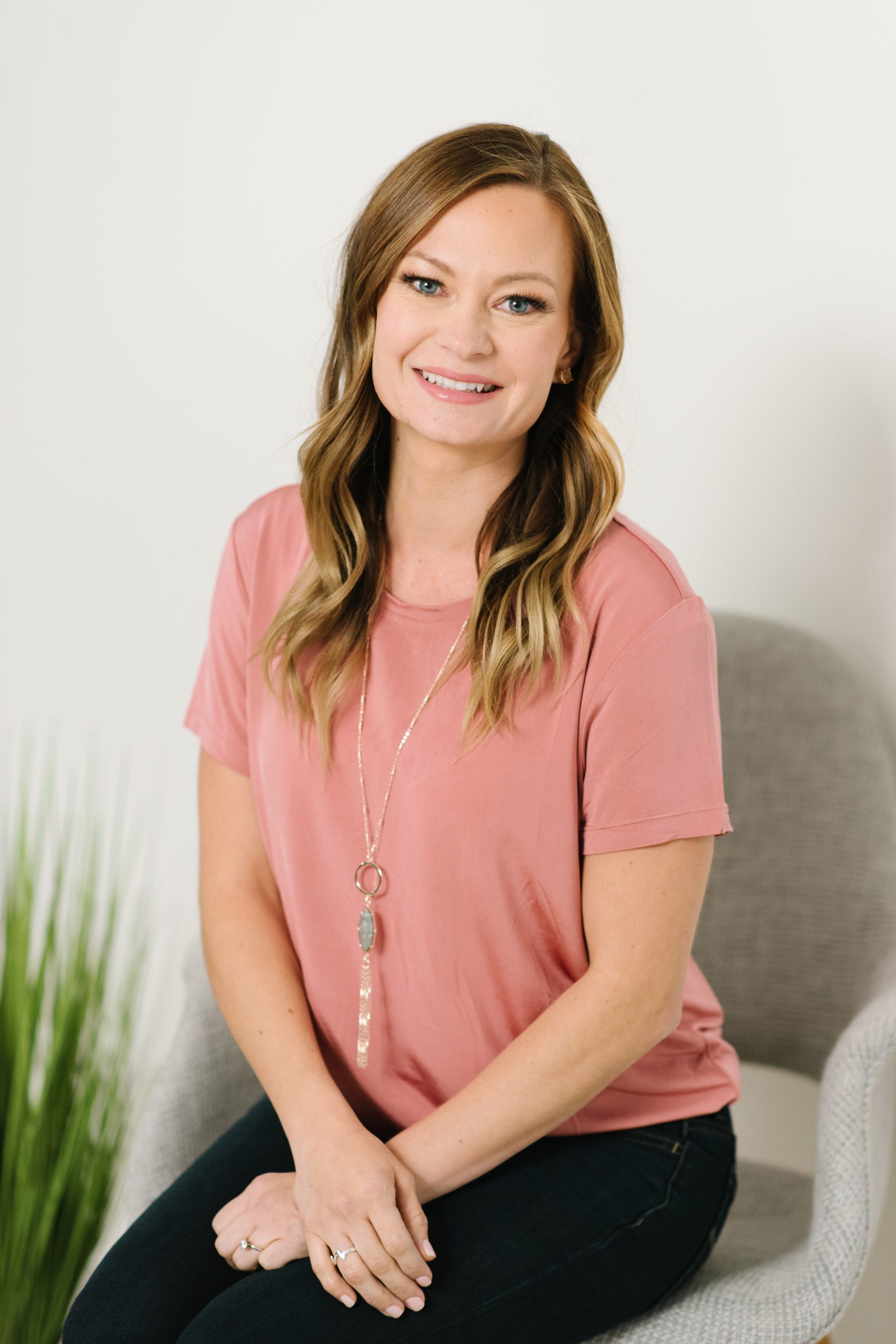
Hello, hello! This is Kristin Revere with Ask the Doulas, and I am thrilled to chat with Stephanie King today. Stephanie is a mom to three boys and two girls, all born very differently. She’s a professional childbirth educator, a doula, the host of The Pregnancy and Birth Made Easy Podcast, and creator of the online course, My Essential Birth. She is passionate about empowering women through knowledge suppressed in their bodies and the process of birth.
Our topic today is all about finding an excellent provider. Welcome, Stephanie!
Thank you so much for having me!
I feel the same way – being a podcast host, and then guesting on podcasts, it’s like, am I running this, or is someone else?
100%!
Yes! But this is such an important conversation. I love having a fellow doula and childbirth educator to address some of this because it is a concern. Oftentimes, when our clients are hiring us or taking our classes, they’ve already selected their providers.
Yeah, they totally have, and that can be a little tricky for moms and for doulas. It’s kind of a gentle thing that you want to navigate, but it’s also really important that we have people in our space that we trust so that we can get those things in order in a way that’s going to really protect our space and serve us well.
Exactly. Yes. And obviously, there are many choices in providers. Some family practice physicians have hospital privileges, for example. And then OBs and nurse midwives work in certain hospitals or attend births at home or at birth centers. And then there are professional certified midwives. So lots of options!
Yeah, definitely a lot of options.
And then certainly your health would be a factor in your choices and where you want to deliver. But if you have yet to choose a provider, what are your tips, Stephanie?
Well, whether or not you’ve chosen a provider, I think the tips kind of remain the same. Really, what I tell moms to do – one of the best things I can tell you to do is to kind of just take a breath, lean back, close your eyes, and see in your mind’s eye what does your birth really look like for you. If you could walk yourself through the most comfortable, relaxing, safe space that you could for birth, what would that look like for you? And I tell people to use all of their senses. What does it look like around you? What are you smelling? Who’s in your space? How are they treating you? Are you able to express yourself well? All of that kind of stuff. And part of that, too, is as you’re walking yourself through that – for example, if I say where are you when your contractions begin, and then what do you do? So maybe you visualize, okay, I know birth starts in the evening a lot of the times. We just happened to be up late watching TV, and it’s my husband and I, and we’re in bed, and I just feel this first contraction. So what do you do? For some moms, that’s going to be – it’s going to look different. For some moms, it’s going to be, oh, I know I’m going to start with a bath. Like, I’m going to get out of bed and I’m going to do stuff. For some moms, it’s going to be, I’m going to lay and rest and relax and start working through the contractions. For some, it’s going to be, I’m going to try to sleep and get as much rest as I can get.
Whatever the case, when you start that birth, wherever that space is, and you’re progressing and you’re watching yourself do that, just quietly in a meditative state – oftentimes, it’s a gradual thing that happens in a safe space, and you’re not rushing off to the hospital or to your birth center. That’s not normally the first thing that you’re doing. The first thing that people see themselves doing is relaxing into it. They see their birth partner with them. They’re using different tools; they’re walking around, they’re breathing through it. They find themselves relaxing and kind of allowing that birth to take its time and allow it the space and time to do that. And if that’s the birth that you’re looking for, for example, and when you’re thinking about this, you’re like, yeah, and I don’t get to the hospital until later, if you’re planning on a hospital birth, because I really want to take my time and relax and kind of work into things and be in my zone before I head there. Well, then you want to make sure that you’re aligned with somebody who is going to be supportive of everything along the way. And it’s the same thing. Okay, when you get to your birth space, what does that look like? A lot of women are not picturing, let’s get you undressed and get you hooked up to the monitors and get that IV in. That’s not what they’re envisioning when they’re planning their wonderful birth and working with their body to get their baby earthside.
However, those are the very common things that happen in that space. You have to be prepared that when you walk into the hospital, they’re going to hit you with a bunch of questions. There’s going to be bright lights. You’re going to have to sit in triage for a little bit. They’re going to hook you up to monitors. They’re going to want to do a vaginal exam. They’re going to want you to change your clothes. There’s a whole list of things that make it a little less comfortable for moms and a little bit easier or required for them to do all their policies and whatever else happens along the way.
If you, knowing that ahead of time, have somebody on your team that can say, you’re aware of the things that are happening, but this person on your team, this provider, is actually going to fight for you to have the most comfortable measures or things that make you happy along the way, whatever that might be – then you’re going to be in a better head space to be able to focus on the birth instead of trying to think about all the things that are happening around you while also trying to allow your cervix to open and your baby to descend and all the other things that are happening in labor land that have nothing to do with the processes and policies on the outside of your body that other people are dealing with. So that is where I tell them to start. Kind of picture your birth from beginning to end. What does it look like for you? Now, how do we get that feeling and that situation to actually take form? And the way that you do that is with a really solid provider. And that provider should be somebody that, when you bring up questions to them about things like if you are going to a hospital and you really don’t want an IV – I’m just talking about my own birth for example – I didn’t want an IV, and I didn’t want any clothes. That was very comfortable to me. If you bring that up to your provider and the first thing is, well, we’ll see – that kind of thing. It’s like, are we going to be fighting about everything all along the way? And some of those things, if they hit all the other marks, for example, and they’re like, yeah, we don’t talk to you about induction at all; we’re not going to schedule one at 39 weeks just because you’re coming up to your due date – if there’s other things that hit that are more important, and you’re only having to fight for the things like the IV and the clothes – if those are important to you, then it is very important, but they’re lower on the list. Like, for me, that was lower on the list. Okay, yes, let’s make sure that the induction stuff doesn’t happen, for example. Then you can weigh those things. But ideally, you want somebody that is going to be on your side from the beginning and helping you to have all of those things that make you feel safe and comfortable.
And the truth is, when it comes to providers and what they are telling you is safe for your baby, is safe for your body, is the right thing to do – so much of that is their personal recommendations based off their own experience and how they like to practice, but it doesn’t mean that you are doing anything particularly wrong when you have somebody say, if you don’t induce by this date, then you could cause harm to your body and your baby. And I say that because if you go to another provider next door and you have the same body and the same pregnancy stuff right in front of them, they’ll say, no, you’re fine. Yeah, you’re good to go.
That’s what moms are up against, and it’s why providers are so important. Because if you have one where you don’t have to worry about those things, where you can just feel safe and comfortable in your own skin and in making your own decisions for your body and your baby, then you can focus on your birth and all of that. You don’t have to be fighting the system the whole time, and that is why it is so important to find the right provider.
And again, be a consumer. So asking those questions early on, so you don’t need to scramble at 39 weeks and switch providers.
Yeah. Oh, it’s so important. If you can get it right early, it’s going to be so much easier. Yes, you can fire your provider at any time, even during your labor. No, you don’t want to have to be worrying about that. Get it right before then so you don’t have the stress.
Exactly, and trying to get records moved over. I did all of that, but I did switch providers with my first pregnancy early, and it was a lot of work. I was moving hospitals and ended up making a lot of the calls myself to speed it up, but I could tell early on that my OB was very used to managing labor, and my vision for an unmedicated birth did not match her vision.
And that’s a big problem. Then you have to fight the whole time, and it’s just not worth that.
Exactly. So I switched to a nurse midwife group and had longer prenatal visits, could ask good questions. And OBs in the practice were supportive of my vision as well. So it was worth the hassle of all of the paperwork and phone calls.
Yeah, I feel like every mom feels that way, 100%. When you are with a provider where you’re like, oh, I’m just not sure – go interview a couple others, then. Because you will know very quickly that either, yes, actually, that is the right provider, my mistake. Or, that really wasn’t, and this person could serve me so much better. In fact, one of the things that I tell moms to do, whether or not you plan to birth out of a hospital at all, is just for fun, go interview an out-of-hospital midwife. You do not have to hire them. You do not have to birth with them. But go listen to somebody and ask somebody questions from a place of, we believe birth is safe and natural and normal, rather than here’s all the things that we have to do to make sure that things don’t go astray, which is not true because birth is safe and natural and normal, and we know that because we’re born with uteruses. Our entire body is created in order to create life and to birth life. We see it done safely at all times. Go talk to somebody that sees it that way, and it will give you a whole new outlook on how you can perceive your body. It just is such a different feel from having to feel like you have to protect all of that at all times, instead of being in an environment where you can let go and be vulnerable.
And birth is the most vulnerable thing, I think, we can do, in all of the ways. The people that you have in your birth space – you’re really trusting them to take care of you spiritually and physically and emotionally in a time in your life where everything is on the table. You are physically naked. You are emotionally naked. You are spiritually naked. And you need to have those people in place. When we talk about doulas, for example, and we talk about holding space, it makes a huge difference, and it is so much more than just what is happening to your body, the physical things that are happening to your body. It is how you feel about how you were treated and helped and preserved during that birth time. So yeah, who you put in your space is vital. And we learn that the hard way sometimes, right? Especially first time moms. We have well-meaning people in our lives that want to be a part of our birth space, maybe even family or friends, and we allow them in because we don’t want to feel bad about including them, and then we’re like, well, that was the wrong decision. Sometimes it can be so great, but…
The conversations can be hard, but they’re so important to have. I’ve had family members show up in the waiting room that were not invited. I help clients navigate their wishes for having this private moments versus inviting friends. I’ve had some clients where it’s more like a party, and they want cousins and friends and as many guests as possible in there, but that also tends to take longer because you’re not able to focus on doing the work of labor when you have so many visitors.
Yes, that’s very true.
So circling back to providers – I love your focus on talking to homebirth midwives and interviewing different practices to see what the best fit for you is, similar to the way you would hire a doula. I’m also curious about other questions. If our listeners have already hired their provider, but they want to make sure as it gets closer to their due date that they’re on the same page, what questions in that short amount of time we have for those visits are the most important to ask, Stephanie?
I think that really depends on you and what your goals are for your birth. It will also depend on if you’ve previously had babies and if you had some things that you liked or didn’t like before and you have questions about that. For example, my first was a Cesarean, so my next one, I had a lot of questions about VBAC. Things that I didn’t like that happened in my first one – like, for example, I wanted to be in my own clothes. I wanted to be able to eat during labor. Those kinds of things that stand out to – some of it is going to come from experience, and then some of it will just be things that are important to you.
A lot of that is going to come from knowing yourself, as well. One of the things that we talk about with moms is understanding your love languages. For example, I like to bring it back to the basics of just that: what things help you feel safe and comfortable? Or with love languages, is it words of affirmation or physical touch or something else? However you feel spoken to and loved – we want to hit on those things first because it’s going to be different. One provider might be perfect for somebody and really not perfect for another. And that’s why even when we’re asking around for recommendations and stuff for providers – it may be that, oh, my friend used this provider and all of her sisters used them and they all loved them. And that’s great, but it might be their personality and their preferences or how they birth, and it’s okay if you don’t like that provider or you have a different opinion. So keep that in mind. It’s nothing that you’re doing or not doing. You’re going to click with some people, and you’re not going to click with others. And it’s the same when you’re looking for a doula. You can have a doula that has been to a thousand births and they’ve got all the certifications and they do all the extra stuff and they’re wonderful, and they might not be the right doula for you. You might go with the one that’s attended three births and doesn’t have any certifications, and there’s just something about her that tells you that she is meant to be in your birth space. You have to listen to that.
I think one of the things that we can really think about is, how do you feel when you meet with your provider? You know. You are so intuitive, even if you don’t believe you are. I did not believe I was intuitive at all. Looking back, 100%, I am. Every single person has it. So when you’re meeting with that provider, there’s something in you that’s telling you, even just that little feeling of, I really didn’t like the way they answered that question, or the way that they dismissed what I was saying. And then if they work with other providers in their practice, have you met with all of them? Are you going to end up birthing with them possibly? Do you like them? Is there anybody that you really don’t like? All of those kinds of things. Do you feel heard and respected? Do you feel rushed? Those kinds of things are really helpful to kind of pinpoint at the beginning.
But questions to ask – that’s where we kind of get into even some red flags. Maybe, for example, if you want to have an unmedicated birth and you don’t want to have an epidural, you mention that to them. “You know, I have a couple things I’d like to go over, and one of them is, I’d really like to do this unmedicated. Just for myself; I’d feel more comfortable that way. I don’t like needles; I don’t like medication. I’d like to feel the sensations of birth. How do we feel about that?” And if the provider is like, “Well, you can, but first time moms, they pretty much always get the epidural, so plan on that.” Or, “We’ll see how it goes.” Or, “A lot of moms feel that way, but then they get going, and birth is a little stronger than you might think, so we’ll have you sign the consent form just in case. That way you don’t have to worry about it in the moment, but if you want to try, that’s fine.”
Those kinds of responses are actually pretty dismissive. Now, for some moms, hearing that, they might be like, okay, sure, sounds good. Whatever. But as time goes on, there might be other things that can make you start questioning, is this the right person for me.
Probably the best place to start when you’re looking for questions is your birth plan. If you haven’t made a birth plan yet, go try to figure out how to do that. Go in the order that birth happens, so from the time you walk through the doors of the hospital, possibly even before if you want to think through what to do if your water breaks and you haven’t gone into labor yet. And then all the way through your labor and all the way into postpartum. And then you use that as a jumping-off point. It’s not something that you should throw in your providers face and say, “This is what I want.” Hopefully, that works out for us. But it is a place to say, here’s some of the things that I’ve been thinking about, and I wanted to get your thoughts on XYZ.”
Sometimes providers really don’t like when you say you don’t want an IV. They just don’t like it. But other providers are like, yeah, that’s fine. Again, preference. And it’s your preference, too. Maybe you feel safer with an IV. You feel more comfortable with that, and so does your provider, so you’re on the same page and that’s great. But using that birth plan as an opportunity to speak with your provider and ask questions and then see how you feel about the responses that you’re getting back and trust yourself. If you leave your provider’s office and you are not totally happy with everything that just happened in there and feeling really energized and excited about your birth – if you leave there worried and concerned or wondering what he or she really meant by what they said, or did they mean to give me that look, or she really didn’t spend a lot of time with me on that, even though I thought it was important. If those are the kinds of conversations that you’re having in your head, there’s a reason that you’re having them. I would just say it’s worth it – just like you were talking about with your own experience, it is worth the effort to reach out to other providers, to ask questions, to get second opinions, and to see how you feel. As I said before, it’s either going to solidify the fact that you’re with the right provider, or it’s going to tell you, yeah, I need to change something.
100%. I can’t agree more. Any other final tips for our listeners who are navigating either selecting a provider or questioning if their provider is the right fit for them?
Yes, just some final things. I don’t want to say it’s unfortunate because it’s really our responsibility. I was going to say it’s unfortunate that we have to educate ourselves, and some of that might be true. But as moms, it’s actually such a benefit to us to have the opportunity to educate ourselves so that we can be in charge of our care because when it’s all said and done, we’re the ones that live with the outcome of what has happened. We’re the ones that have to go back and feel the feelings and have the memories of what we’ve experienced. Doing the planning and preparation to make that as positive as possible gives us an opportunity to have some kind of control in part of that situation.
I would say really try to get educated as much as you can on the process of birth and the things that might come up along the way. For example, I have a lot of moms – this is so common – where they’re like, I feel good when I’m with the provider. I feel like they’re the right one. I’ve asked a lot of questions, all that stuff. And then they get to the end part of birth – 34+ weeks – all of a sudden, the provider starts bringing up some things. They felt like they were on the same page or whatever, but now it’s like, let’s make sure that we get your induction scheduled. That seems to be the big, popular one right now, right? Let’s make sure to get your induction scheduled by 39 weeks. And it’s just like another tick on the box as if it means nothing. And if you’re a mom in that room, everything inside of you is crushing because you’re like, wait, I thought we had this conversation. I thought I didn’t have to worry about this. Is there something wrong? Why are we talking about induction?
I would say have those kinds of questions ready early on. Talk to them about induction early on. I’m a healthy, low risk mom. It’s my first time being pregnant. I know, because I’m educated, the average length of gestation for something in my position is 41 weeks and 1 day, so with that in mind, what are your thoughts on me passing that guess date that we have? Because I’m comfortable going to 42 weeks plus. And listening to what they have to say back. Having those questions ready prior, early on, and having those conversations as early as possible is going to give you the best opportunity to have time to make any corrections that you need. But I think education is where it’s at, and obviously why I’m so passionate about what I do, and probably why you’re so passionate about what you do because when moms are empowered with that knowledge, then they can make really informed, good decisions from a place of knowledge. So when they’re having that conversation with providers or anyone else, then they don’t have to be at the whim of, well, they sound smarter than I do because I actually don’t know. They can be like, you’re actually having a conversation about it instead.
Speaking of education, you have an online course, My Essential Birth. Fill us in about when to take that and what that includes and so on.
Sure! If you’re like me, I like to get started – I mean, I actually took my birth course before I was pregnant. We were trying to get pregnant, and I was like, I know exactly what I need this time, and that is what I’m going to do. But a lot of moms, I would say second trimester is the perfect time to jump in. We always have moms who jump in very late at the end. They’re like, oh, shoot, you know, I meant to plan, and I didn’t, and what can I do? But ideally, you have a couple of months to go. It’s an eight-week course, but we always say we can do it – we have a four-week schedule, and if you need to pump things up, you can of course do it a little bit quicker. But giving yourself at least the eight weeks is really a good amount of time. And then when you finish it, you can go back. We say just stick an air pod in, listen to it 20 minutes a day, just as a review so you can keep it all going.
But the course itself covers everything from let’s talk nutrition and exercise and how to get ourselves healthy and low risk, all the way through to labor and postpartum. It’s a totally full course on all of that stuff, and then you get put into a Facebook group and you get to chat with me. We have people answering questions, and then there’s tons of moms in there who have already been through it or who are going through it with you, and that’s really fun, too. Just everything that you could need to prepare for pregnancy and birth.
Beautiful! And you have an amazing podcast, so tell us more about the type of guests that you feature and topics on Pregnancy and Birth Made Easy.
Yes, the name kind of gives it away. Anything that you could think of about pregnancy, birth, and postpartum, as well. We have some postpartum topics in there as well, too. Anything that you might be wondering about, you can probably type it in and something is going to pop up. We’ve gone over induction. We’ve gone over how to find a provider. We’ve talked about nutrition for pregnancy. We’ve talked about having doulas. You were a guest on our podcast! And we have all kinds of different guests that come on. We’ve had doctors and midwives and lactation consultants and physical therapists. There’s tons and tons of information there, as well. But obviously, if you were looking for everything perfect order and ease of use, then you would hit up the birth course in My Essential Birth.
Makes sense. How else can our listeners connect with you, Stephanie?
Yes, I am active on Instagram @myessentialbirth. That’s the same tag for any of the social media channels. You can also find me on Facebook and TikTok, which I’m not in love with ever, but I will be there if I need to be. Email if you need us – hello@myessentialbirth.com. And over at My Essential Birth, we’ve got the full birth course. We’ve got the postpartum class that we offer now, and we also have the podcast, obviously.
Excellent! Thank you so much for sharing all of your wisdom. We’ll have to have you back on again in the future, Stephanie.
Yes! Thank you so much for allowing me to be here today!
IMPORTANT LINKS
Birth and postpartum support from Gold Coast Doulas