

October 8, 2025
Blood Pressure in Pregnancy: Podcast Episode #311
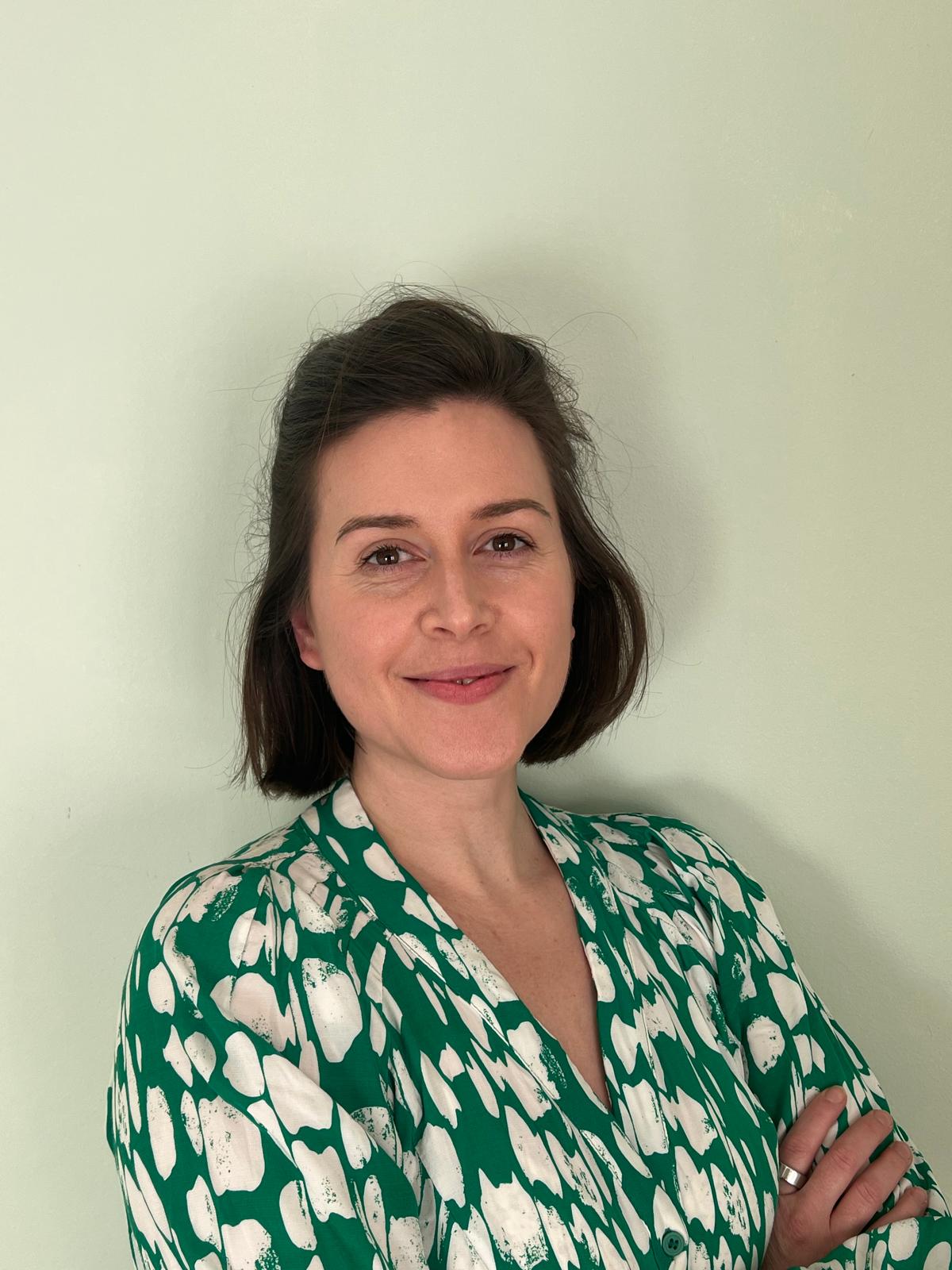
Kristin Revere and Dr. Frances Conti-Ramsden discuss blood pressure and heart health in pregnancy in this important episode of Ask the Doulas podcast. Dr. Conti-Ramsden also touches on the potential for digital health tools and AI to be used in antenatal and postnatal care. She is the director of MEGI Health.
Hello, hello! This is Kristin Revere with Ask the Doulas, and I am thrilled to chat with Dr. Frances Conti-Ramsden today. She is so many things, but to me, she is the director and creator of MEGI Health. She is an obstetrics and gynecology registrar and a clinical academic who is passionate about transforming women’s health through technology and innovation, combining her experience as an MHS clinician specializing in women’s health with her current MRC funded PhD fellowship.
Fran bridges the gaps between clinical medicine, data science, and digital health, and she serves in advisory roles with fun tech startups, helping develop AI powered solutions for pregnancy care and personalized women’s health. Her specialties include analyzing electronic health records and real world data to drive clinical insights and enhance patient care. She is also focused on developing equitable healthcare solutions that work for diverse populations that have given Fran the opportunity to work on interdisciplinary projects at the intersection of healthcare and technology, leveraging artificial intelligence, natural language processing, and genomics to improve pregnancy outcomes.
Welcome, Dr. Conti-Ramsden! It is a pleasure to have you on!
It’s a real pleasure to be here.
And our topic is so important. We’re going to be discussing blood pressure and heart health in pregnancy and how pregnancy is a stress test, an indicator of future health. I am thrilled to chat about this and so many other topics!
Absolutely! Where would you like to start?
I would love to start with that focus on blood pressure and the importance of heart health. You developed this high risk certification program, which of course, preeclampsia would be one of those areas of concern with blood pressure, for example.
I guess I’m biased because I’ve worked in this space for quite a few years now. Blood pressure is tremendously important in pregnancy, and the reason why is both because it’s a really common issue in pregnancy and because the outcomes can be catastrophic for mom and baby. We know that at least 10% of pregnancies will be complicated by some kind of blood pressure problem, and we know that the incidence is actually rising. So the number of pregnant women who are developing blood pressure problems has been going up. There’s probably lots of reasons for that. Women are obviously becoming more economically empowered, more likely to have children later in life. Obesity rates are rising and the rates of other medical issues in pregnancy, such as diabetes, is rising as well. The result that we see are things like chronic hypertension, so high blood pressure developing, but it already exists prior to pregnancy, and the rates of this complication have doubled in the last couple of decades. So we’re seeing far more women with chronic hypertension, both in the UK and in the US. A recent study now in the US showed that over 15% of deliveries in the US were complicated by some form of pregnancy hypertension. So it’s really, really common. The blood pressure problems in pregnancy – there’s a real spectrum, so it ranges, like I said, from high blood pressure that is already preexisting prior to pregnancy but also new problems that arise. Some women will develop hypertension during pregnancy, and we tend to call this gestational hypertension or pregnancy induced hypertension. And then of course, there’s preeclampsia. I’ll pause there, and then maybe we can talk about the cardiovascular stress test side of things.
Yes, and I agree with you anecdotally as a doula, a nonmedical professional for over the last 12 years, I have seen an increase in concerns with blood pressure and, as you mentioned, hypertension, whether it’s something that is developed during pregnancy or was a preexisting concern that would put a client, in my case, or a patient, in the high risk category. And certainly preeclampsia; I have seen more clients with preeclampsia more recently, like after COVID, than I had before.
That’s really interesting. And that’s what the data is telling us. These problems are becoming more common. As a doula, this is something that you’re very likely to encounter. That’s the reality, and I think that’s been one of the reasons that we’re focused on it. One of the approaches that we’re taking at MEGI is to really give doulas and birth workers – the training is open to anyone who’s interested – the knowledge and the confidence to understand, why do we care so much about blood pressure in pregnancy? What does it mean? What are the potential consequences? And what can you do as someone who is working alongside women but outside of the medical space, both from the perspective of detection and helping support women in terms of managing this, but also because the other side, of course, is that these complications, like many complications in pregnancy, they can lead to really challenging situations for women and their families. For example, preterm birth – birth much earlier than expected – and then that has a huge repercussion for how a woman experiences her birth, her delivery, and the early postnatal period. If you have a baby that’s gone to NICU, if you’ve had a traumatic, very medicalized experience – and I don’t know if that’s something that you want to speak to, Kristin, from your perspective and your work?
Absolutely. As you know, I have personal experience and passion in supporting high risk clients. I was very thrilled to be asked to contribute to the curriculum as an instructor for the MEGI program. I had preeclampsia. I had children later in life, and had what my nurse midwives deemed a perfect pregnancy until I didn’t at 37 weeks. And my blood pressure kept rising. I was put on bed rest and stopped working at that point. Then I was induced as my blood pressure kept rising. I had protein in my urine, and they were concerned, so I was induced at 39 weeks and did end up with a NICU baby. I was fortunate in that I avoided many interventions, so I did not have any pain management needs. I nearly avoided a Cesarean birth. I was fortunate in that my body took to the induction quickly. But it affected breastfeeding. It affected a lot of things, not only for myself, but also my baby. So I have a lot of empathy for moms who are either of advanced maternal age or have risk factors. I found that in creating Gold Coast Doulas almost ten years ago that the clients who had some complex medical issues, or the twin and triplet moms, were attracted to the care that my agency provided.
I think this is exactly it. You have such a different experience of pregnancy and prenatal care when you’re high risk. A lot of the choice that women have is sometimes taken away from them. The recommendations for particular interventions – sometimes it comes down to even life and death, and I think doulas understanding that landscape of why do we do what we do in the medical sphere, and being able to effectively support women, and helping them to continue to advocate, because there’s often still some choices. And that’s only one of the things that we go through in the course. How do you support a more medicalized labor? But also being prepared for those outcomes like preterm birth, like unexpected NICU admissions, which can be so, so challenging. The areas that doulas can make this really phenomenal difference in women’s experience because unfortunately, health care systems can be quite good at delivering the medical care, but in terms of that more holistic support, and then particularly in the postpartum, it’s bare bones. Certainly in the UK, and I think I’ve heard very similar and often worse experiences in the US, that women are really on their own once the baby is born, and that can be a really, really challenging time.
Certainly. We work through the first year with day and overnight care, and as I mentioned earlier, a lot of twin and triplet work and with NICU babies. So there are complications that in my opinion are not addressed enough. Your program is addressing things that can even happen post-birth and some complications to be aware of as doulas, including issues with blood pressure after delivery. It’s not just in pregnancy or at delivery.
Absolutely. Absolutely. And I think that’s a common misconception, even in doctors. We’ve been doing some focus groups, and you hear some really heartbreaking stories. One woman was sharing that she had classic symptoms of preeclampsia, but she was postnatal; she’d given birth. And she was just told categorically by the doctors that postnatal preeclampsia doesn’t exist, and that’s just not true. Not only can you develop preeclampsia postnatally, actually, the majority of maternal strokes – it’s rare for a pregnant or postpartum woman to have a stroke, but obviously, if it happens, it’s catastrophic, and the majority of those have been postpartum. They don’t actually happen antenatally. So the postpartum is actually a higher risk period. We don’t understand why because preeclampsia is thought to be mediated by the placenta, so that’s why we talk about delivering the placenta, i.e., ending the pregnancy and delivering the baby as being the treatment because it’s thought to be a placentally mediated disease that starts in the placenta; that’s the cause. But even thought that’s what we understand, it’s absolutely possible to develop preeclampsia postnatally. And some women will also just develop high blood pressure, hypertension, postnatally. That’s also really common because you’ve absorbed a lot of fluid during your pregnancy, and all of that starts to move around postnatally. So if you look at patterns, everyone’s blood pressure tends to go up a little bit, but if you’re close to that borderline, you can often get pushed into an abnormal range. And one thing that’s become so clear from the research is that high blood pressure in pregnancy and postpartum is dangerous, and we should treat it. So something that I think has been on obstetricians’ minds for a long time, and why there’s maybe been a historic tendency to maybe undertreat women in pregnancy, is because we were worried that if we treated the blood pressure in pregnancy, we would reduce the blood supply to the baby through the placenta. So there’s always been this – if you look at how we manage the high blood pressure out of pregnancy, they’re much more strict. They treat it more aggressively. Whereas in pregnancy, actually, it’s been a bit more of a gray zone, and people tolerate higher blood pressures. But what’s really positive in the last five years, the last five to ten years, we’ve got really strong data now from high quality trials to show that treating blood pressure to get to a safe level is absolutely the right thing to do. So it doesn’t affect the growth of the baby. It’s absolutely safe, and it’s the message we really want to get out there. Particularly, unfortunately, with lots of scaremongering, as always, for pregnant women around, are drugs safe or not? These drugs are safe. They’ve been used for many, many years, and it’s really important for blood pressure to be treated.
Absolutely. And I personally feel that, at least in the US, that six week appointment is much too far away. It’s nice that even as birth doulas, we meet with our clients within two weeks of delivery. So if we’re noticing things that are abnormal in that healing phase, then we will certainly encourage them to reach out to their provider. But as you mentioned, just being aware and understanding how to advocate for yourself. Whenever I guest on a podcast, I always give the advice of knowing your body and your baby and speaking up if something is wrong, because I feel like in our culture, women are just told to be strong; don’t complain. Be the perfect mom and focus on baby. But our own health is important because we certainly can’t care for our children if we’re having issues with blood pressure. So many women have issues hemorrhaging after birth or retained placenta. There’s so many other factors, and we don’t just need to tough it out. It’s important for partners to also be aware. Partner education, and then having other professionals surrounding you, like postpartum doulas or birth doulas.
Absolutely, and I think the more that all the pieces of the team that a woman, and everyone that woman interacts with in her journey, are aware of these things – oh, I just really had a bad headache the last few days. Or sometimes I think women are so busy, they may not even realize, because they’ve got so little time for themselves, but maybe a family member is like, gosh, she’s really swollen. That’s really changed. And that’s important. These are all the classic symptoms of preeclampsia – headache, changes to your vision, swelling, particularly of your hands, feet, and face. These are things that the pregnant woman and the people around her should know about and understand, this is not normal. It might be normal, but it needs to be checked out. That’s what’s really, really important is that people have that awareness. This is not something they should sit at home with. The same with reduced fetal movements. You can say, oh, you know, maybe I’ll wait until tomorrow. We want women to come and seek that care, and it’s not wasting someone’s time. I say this all the time in clinic, please come in. If you’re worried, please come in. You don’t want to be that one that stays at home, and then there can be really, really bad outcomes for mum and for baby.
And this is where the AI piece is interesting because one of the things that I’m really interested in is, can we use AI technology to get this education, this information, this support to a wider audience? And it’s one of the beauties of generative AI and large language models, that you can have these conversations on a person’s wavelength. So you can have the education there, so the model knows what it needs to say, and that’s been very carefully put together by clinical experts. But then the AI technology can then be used for a woman to ask questions so that outside of her clinic appointment, she can get that information that she needs. And if she’s worried about something – I think there’s potential here. I still haven’t seen a good example where we can replace humans, but certainly augmenting and making sure that we’re getting good, evidence-based information to women – I think the potential for digital health and AI here is really exciting.
I’m a fan, because I feel like a lot of women will turn to some of those pregnancy and early parenthood boards or Facebook moms groups, and they’re getting this information – and some of the comments I see in those groups are leading women in the wrong direction. So if they’re getting evidence-based information from AI in order to better understand when to call their provider, so that they’re not getting personal anecdotal information from other moms.
Yeah, exactly. And I think what AI can do so well is making it hopefully a bit more fun, a bit more accessible, so that it’s not just dry, static content. There’s a lot of work to make sure that the right guardrails are in place, that it’s safe, that it’s not giving medical advice. There’s a huge amount of work to be done, but nonetheless, I think this isn’t very far away. Because we live now in the era of information overload, and it’s really about trying to work out how to get good information to the right person, the right time, the right place. I think that’s one of the challenges that we face.
I just wanted to come back to the idea around the wider picture around heart health and pregnancy, and this is something else that we talk about in the doula course, pregnancy at this stress test. And the reason being – I’m sure you know this both from your professional and your personal experience – pregnancy is a huge ask on your body, right? Everything is changing. Your heart, for example – and I always remember, there was this friend of mine who is male and he said, oh, it really annoys me when pregnant women, they’re not even showing, and they’ve got that pregnancy, baby bump thing on. They’re not even really pregnant yet. And I was like, just so you know, a woman’s cardiovascular system is changing completely in the first twelve weeks of pregnancy. She’s actually most likely to faint in those early weeks when her heart is beating harder. She’s vasodilating everywhere. So she’s retaining more water. Everything is changing. And I remember his face being like, ah, yeah, I didn’t really understand about this. There’s so much change that happens early on to meet the demands of a pregnancy, and what this means is that it’s a bit like running a marathon, and a marathon that gets tougher and tougher towards the end. Can you imagine someone running? If there’s bits of you that are a little bit -maybe you weren’t quite ready, or they’re not coping well with the stress. Halfway through the marathon, you’re going to be struggling if you’ve got that dodgy knee or a shoulder problem. And pregnancy is the same. So if you have an underlying predisposition to a problem – and this is what we really understand now. For example, women who develop gestational diabetes, one in three of them will actually be diabetic or prediabetic at the end of pregnancy, and the risk of type two diabetes in the coming five to ten years is really high, like over 70%. Similarly, women who have developed blood pressure problems in pregnancy, they have more than four times the risk of developing chronic hypertension. So lifelong hypertension. More than twice the risk of heart attacks, strokes, cardiovascular disease. So the other thing that – we get all this information about your health as a bigger picture of your health during pregnancy, and at the moment, we don’t have the resources in our traditional health care systems to do something about this.
So you have your baby. If you’re lucky, you might get told about this and say, what’s your weight, or think about what you’re eating. But there’s no real support for women, and there’s no opportunities to make that difference. It might lead to a different outcome in the next pregnancy and lifelong health. And again, this is an area that I wonder, how can we use technology to improve this for women so that they can take the information they get from their pregnancy and make choices that’s going to really hopefully improve their lifelong health?
Yes, I am all for utilizing technology, but I also love involving women in their own care. I’m a huge fan of the Centering for Pregnancy model where women are getting blood pressure cuffs, monitoring their own health in groups, learning about their body and baby, and having that communal weekly meetup, or monthly, depending on the stage of pregnancy. Yeah, getting access to things like blood pressure cuffs. If they’re in a maternal care desert – in Michigan where I live, we have some areas in the upper peninsula where they may travel hours to the hospital, and so to be able to have access to some tools….what are your thoughts on that?
Yeah, this is such a huge problem that we’ve been hearing about as we’ve been having conversations in the US. Where can women get care? As you say, so many women are hours away from an OB-GYN, and some areas – you know, we’ve been hearing in conversations with different groups, both from women, doulas, and also providers – saying yeah, we don’t have them. And that’s a challenge on a completely different level because even if you can detect the problem, can you do something? What can you do about it? This is a really big issue. We need to think really carefully about how can we actually make an impact. One thing is around detection. So I completely agree with you, women being able to self-monitor, understanding the readings, and as you say, understanding their body, understanding when potentially they need to seek medical attention. But we also need to go that step further and say, okay, but if this woman has got hypertension but the hospital is however many hours away, then what could a solution look like?
There are lots of groups doing really interesting work in this space, thinking about community models of care, thinking about, does it have to be an OB-GYN? How would this look? And strangely enough, it’s not so different from really low and middle income settings where there’s often very limited resources and skilled healthcare professionals. And that’s where solutions like remote monitoring, digital health technology, and also point of care testing – so tests that you can do in the community and that can help you rule out or rule in problems. So what you want to be able to do is send the women who are at high risk and who need urgent medical care – they’re the ones that you need to say, okay, you have to make the journey, but you don’t want to send everyone, everyone on that pathway. So I think there’s a lot of work that we need to do here to make safe models of care. But until we have that, the reality is, a woman with high blood pressure in pregnancy, particularly if it’s new high blood pressure, she needs to be assessed. There’s nothing that someone can do in the community to say she’s safe because preeclampsia sometimes has protein in the urine but not always. You make the diagnosis on a range of whole different factors. At the moment, there aren’t tests that you can do in a community setting that would make you confident to say, yeah, this woman is fine, she can just stay at home for a few more days. High blood pressure always needs treatment, and actually, if it’s over 160/100, that’s urgent, within four hours. And you need to have an assessment to know, is this preeclampsia or something else?
Exactly. Great reminders. So let’s dive into the MEGI high risk doula certification program for our listeners who may already be doulas and are interested in exploring that option, or our listeners who are interested in potentially becoming a doula in the future.
Absolutely. So this came out from us having conversations with doulas and working particularly with Damiana, who I know you know, Kristin, and trying to create something that would help doulas, as I said, support a high risk client, and thinking about the whole pregnancy journey. So it’s a six-week program. We just finished cohort one and we’re about to launch cohort two, which is really exciting, and it kind of follows a journey. So it starts with an overview, week one, we think about what does high risk mean, the changing landscape of who is pregnant and giving birth, sort of our modern world. And then we go through early pregnancy, how pregnancy progresses, and then complications, thinking about delivery and then thinking about complex delivery and thinking about postnatal support, support when a baby goes to NICU. And then through to longer postpartum recovery and future health planning. So things like contraception, family planning, and thinking about that future health piece. So you really follow the arc of someone’s journey through pregnancy, and we sort of supplement that with three case studies where we follow their pregnancy journeys across the course. And obviously, it’s the first time we’ve run it, and the feedback has been amazing. So Kristin, I’d love to hear your thoughts, but I don’t believe that anyone else is offering this kind of training in the same way to doulas, so I think it is quite unique in terms of being able to really focus on that high risk and thinking about what is a doula’s role and hopefully giving a lot of context and information so that doulas can come away a lot more confident. And as I’ve said, the feedback we’ve had is really powerful for doulas to reflect on their practice and feel a lot more confident in supporting those clients, which has been great.
Absolutely. In my experience and opinion, there’s nothing like the program, and even doulas who have multiple certifications like myself can benefit. And the up to date, evidence based information – and as you mentioned, just following client journeys and really being able to have real life examples to apply. And I think with an agency like Gold Coast, who specializes in more of that high risk clientele, that it would be appealing for potential clients to see the kind of background and training their doula has, being so specialized. Again, it’s all about continuing education and always learning as doulas as society and things change. And as I mentioned even anecdotally, seeing an increase in issues with hypertension and preeclampsia in my career, and being able to adjust. I love that you are also focused on that family planning issue and beyond just supporting our clients in birth, but as a doula who’s had some of the same clients for their fourth baby, so I’ve followed them along many journeys, it is beautiful. And they always want up to date information. They may have had no health concerns earlier and then all of a sudden are facing those, so to be able to adapt. Personally, I had preeclampsia with my first and built a more extended birth and baby team to try to prevent preeclampsia with my second. And my kids are 21 months apart, so I did some family planning with my nurse midwives and OBs that I worked with for identifying the good time to begin trying, but also knowing with advanced maternal age that if I wanted to expand my family, I needed to do it in a reasonable amount of time. I avoided preeclampsia, but a lot of it was focusing on diet and having a functional medicine doctor and all of these other members of my team, including birth doulas, to support that. So having options and resources to be able to continue working with our clients is so important.
That’s really interesting to hear. Damiana and myself, who co-created it together, it’s brought this really lovely marriage. She’s obviously a really experienced doula and understands what doulas do and the challenges, and my background is very much as a medical doctor and an academic. And so we’ve sort of both together managed to create something that brings the science and the medicine but is not about saying, you need to be able to manage these patients. Of course not; it’s not about that, but it’s about understanding the significance of what these conditions mean, what they look like, what you need to look out for. And then thinking about that in the much wider context of a doula’s role. I think we’ve been able to merge those two worlds, and that’s really what we’re working on at MEGI fundamentally is thinking about how can we bring the things that we know work, like taking aspirin in early pregnancy if you’re at risk, things like good blood pressure control. But how can you do that at scale? So how can you do that working with community partners? How can you do that working with technology solutions? It’s really about, how can we get this information and the right support in place so that women can get the best outcomes for their pregnancy and also their long-term heart health? One of the things that’s really exciting to me as a researcher is that intervention in the early postpartum period may have really long-lasting health benefits. So there have been a few studies now showing that good blood pressure control in women who have had high blood pressure in pregnancy – in those early weeks postpartum, it leads to lasting benefits up to two years down the line. So two years down the line off medication, their blood pressures are better. And so we potentially have this window of opportunity when a woman’s system is changing, because there’s huge amounts of change both when you fall pregnant and in the early postpartum period as you’re readjusting to non-pregnancy. But of course, you know that early postpartum is chaos. So how can we – this is the challenge, the grand challenge. How can we develop solutions, tech, care pathways, to actually enable women to get the best outcomes that we know medically and scientifically make sense? That is so different from the reality of a woman’s experience for six weeks in the early weeks postpartum, which are so tough for a whole host of other reasons. How high up is the blood pressure going to be, and how can we develop solutions to really help women achieve what is medically and scientifically optimal?
Exactly. Well, I love it. How can our listeners reach out to you personally and find more information on the MEGI health certification program?
Absolutely. We have a website for MEGI, and there’s a whole section on the website for doulas and the MEGI high risk doula certification comes up there. You can also reach out directly to the MEGI team at hello@megi.ai. I’m on LinkedIn if you want to find me and message me there. I would love to get in touch with anyone that’s interested in working in this space and wants to find out more about the doula program. We’d love to hear from you.
I love it. Any final tips for our listeners?
I’ve just submitted my PhD, and if I was going to summarize the last four years of work, I’d say it’s all about blood pressure. It really is. So measure it. Know what the numbers mean and know when you need to seek help. And if you can help your clients with that, you will be essentially saving a life at some stage. It’s so, so, so important.
Agreed. Thank you so much, and we’ll have to have you on again! You have so much knowledge to share.
Thanks so much, Kristin!
IMPORTANT LINKS