


April 15, 2026
The Rise of Birth Centers: Podcast Episode #337
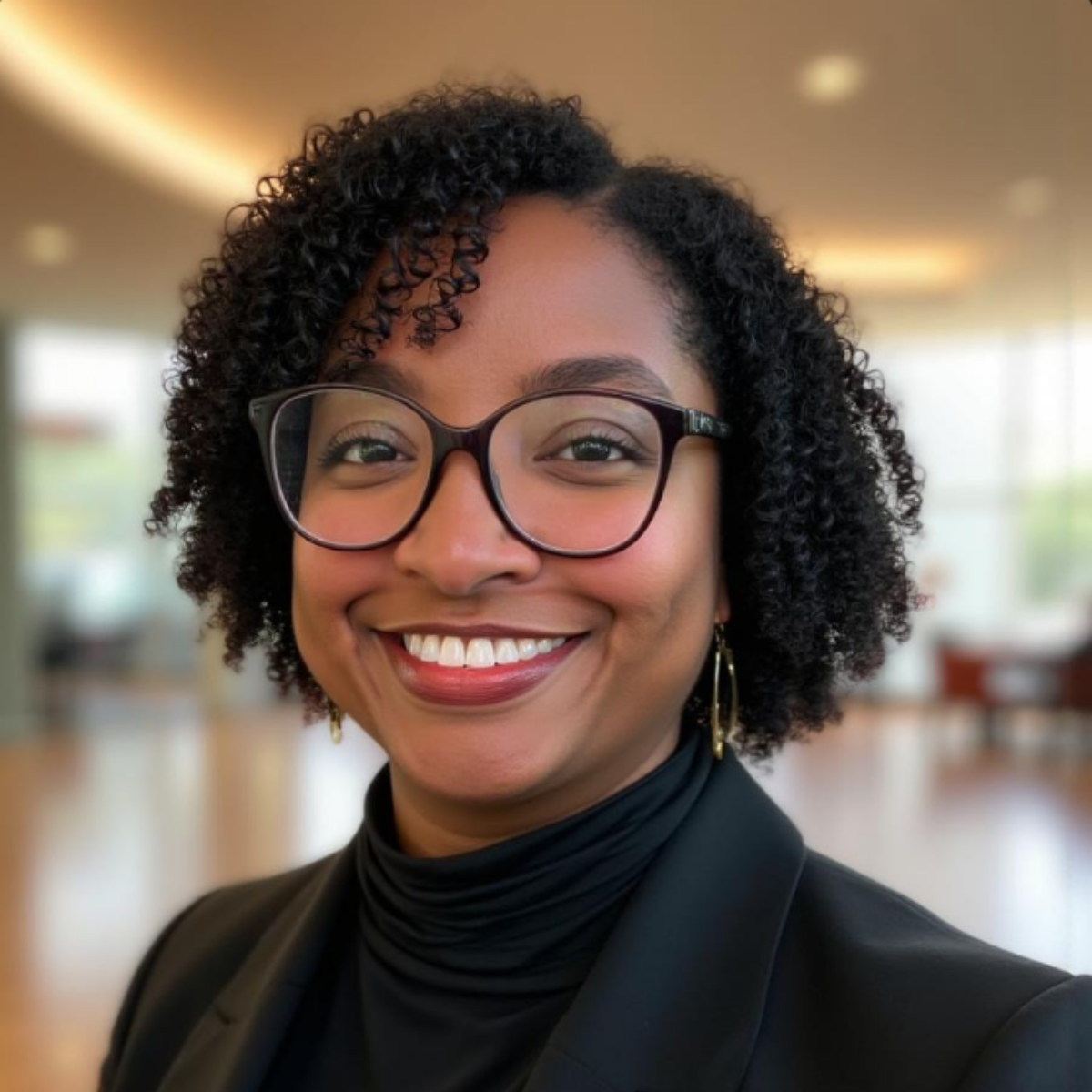
In this episode of Ask the Doulas, we’re joined by Lauren McCullough, a labor and delivery nurse turned birth center strategist and founder behind multiple national initiatives transforming maternal health.
Lauren shares the vision behind the National Birth Center Directory and the growing momentum of March for Midwives—two powerful efforts designed to increase access, visibility, and sustainability for midwifery-led care across the country.
We dive into what families should understand about birth center options, why midwifery care matters now more than ever, and the behind-the-scenes realities of launching and supporting birth centers nationwide. Lauren also offers insight into how advocacy, innovation, and community-driven care models are shaping the future of maternal health in the U.S.
Whether you’re expecting, a birth worker, or passionate about improving outcomes for families, this conversation will leave you informed and inspired.
This episode is sponsored by Cozy Earth. Use the code GOLDCOAST to receive a discount of up to 20 percent off.
Hello, hello! This is Kristin Revere with Ask the Doulas, and I am thrilled to chat with Lauren McCullough today. Lauren is a woman of many titles. She has a B.S. and an RN. She is a labor and delivery nurse, birth center operations strategist, and founder of Birth Center Consulting, financial psychology, the national birth center directory, and March for Midwives.
With more than a decade in maternal health from Mount Sinai Hospital to home birth support and birth center leadership, Lauren has guided centers through startup, accreditation, and regulatory processes while centering equity and midwifery-led care. She now partners with birth centers nationwide to strengthen sustainability, develop innovative models, and expand community-based access to midwifery-led care through practical consulting, education, and national movement building.
Welcome, Lauren!
Thank you so much for having me!
I was so fascinated by the work that you do, and I love labor and delivery nurses. I also have a huge heart for midwives and midwifery-led care. So the fact that you started this consulting business – because a lot of us in this field of caring for families from conception through the first year, are not business and financial experts. So nurses, midwives, and doulas have the heart for service, but the business end of things is overwhelming. Obviously, not anything that overwhelms you!
Yeah, I think I definitely love the clinical side, but I also have a strength in the administration side, and when I was getting my first bachelor’s, I got a business degree in management. That’s always something that’s really fascinated me. As I was working at one birth center in particular in New York, I really enjoyed it. I love spreadsheets. I love organizing people around a common goal and meeting those goals. Like you said, most perinatal workers and more entrepreneurs in general are really good at doing the thing but can use some help with the business side, and I love coming alongside other midwives and birth center owners and helping them to get confident on the business side.
So needed! And our listeners are a mix of expecting families and birth and baby professionals, so we will speak to both of them. If you don’t mind defining what a birth center is and what a birth center is not, that would be fantastic.
Yeah! So a birth center is a place where women can go to give birth. Usually, they also receive prenatal care there. It’s kind of in between a hospital birth and a homebirth. So you’re not in a hospital setting usually, if it’s a free-standing birth center, with anesthesiologists and there will be an OR there. But it’s also not a home birth where you’re in your own home. Birth centers do strive to have a home-like environment, and they’re a really great place if you want something kind of in between. But birth centers – some things that they don’t have: like I mentioned, they don’t have anesthesiologists, so if an epidural is something that you definitely want, a birth center is probably not the place for you. If you are at a birth center and decide, actually, I do want an epidural, you can always transfer to a hospital to get that, if that’s your desire.
Exactly. Or if a NICU is needed, of course there would be transfer policies.
Absolutely. Yeah, all birth centers have policies around transfers. The transfer rates are actually very low for birth centers. Overall, there was a national study that was done where over 90% of people who had planned a birth center birth actually went on to have a vaginal birth, and less than 2% needed transfer. So if a birth center is somewhere that you’re looking into having your baby, it’s very likely that you’ll actually end up having your baby there.
I love it. Those are great statistics. And certainly, every state has different requirements for birth centers. Some are legal in the state; others are not. Midwifery may have licensure in certain states and may not in others. So the fact that you navigate the U.S. and the different climate – I mean, in Michigan, midwifery for homebirths has only had licensure in the last several years.
Yeah, it’s fascinating how vastly different it can be from state to state, with birth centers and with midwives. For birth centers, some states require licensure, and you have to go through something called the CON process, a Certificate of Need, and that’s a very rigorous process where you basically have to go through what a hospital has to go through in order to open. Then in some states, they would say, oh, all you have to do is be accredited by the national accrediting agency, and then you can operate. And there are other states that have no rules around birth centers. And the same with midwives, whether they’re CNMs, Certified Nurse Midwives, or CPMs, Certified Professional Midwives. Some CPMs are allowed to practice, and some are not, depending on the state. But it definitely does vary state by state.
I agree. And there are some birth houses, which is much different than a birth center. And then some hospitals have attached birth centers. In Michigan, in my area of Grand Rapids, we have natural birthing suites in one of our largest hospitals. But there’s not a birth center affiliated with the hospital.
Yeah, there are a lot of hospitals that have a birthing center. I always advise people, if they’re looking into that, to see what that looks like, if it actually is a place where – what are they doing to make it birth center like? Or is it just kind of an L&D floor with the birth center name on it? But if they don’t have anesthesia on the floor, if it’s usually staffed mostly by midwives, if the birthing suites don’t look like a typical labor and delivery birthing suite, but it looks more like a home – then those are signs that it’s probably a great birthing center.
I love it. And you created a directory where not only midwives who are doing research and potentially looking at expanding and creating a birth center would be able to have access, but also families who are looking to find a birth center are able to access your directory. So I’d love to hear more about that.
Yes, so the National Birth Center Directory – I created it for a few reasons. One, families can have a hard time finding birth centers. So I wanted to create a list where they could just go on to this website. There’s a map where it’s very easy to see where the birth centers are. And the birth centers that have signed up have put information on there that you might not even find on their website. So you can see information like what services they offer, what insurances they take. You have access to their phone number and website if you would like more information. But then also I have found that some birth centers, even in the same state, didn’t know that other birth centers in that state existed. So I wanted to also create a way for birth center owners to find other birth centers near them so that they would have the opportunity to connect with each other. I think it’s really easy as a birth center owner to kind of get caught up in your own center, but it’s so nice to be able to connect with other centers that are going through the same issues as you are and be able to create community.
It’s all about collaboration and not competition, being able to have trusted referrals because a lot of birth centers get booked up and may have different requirements for their patients. All of that would be factors, just like as doulas, we refer other doulas that we trust when we are booked up.
Absolutely.
I’d love to learn more about your March for Midwives.
March for Midwives is a national storytelling initiative where we are gathering stories from families, from midwives, from perinatal workers or just maternal health advocates, and the goal is to use these stories to help push legislation forward. So a lot of times, legislators are just really moved by the story behind the statistics. We have the statistics of why we need more midwives, but sometimes when they hear a story, it really pulls their heartstrings. So we are in the phase of just trying to gather as many stories as possible in order to create a narrative to help legislators understand why we need more midwives, what’s different about them, what families love about them. And it can be in any setting – in the hospital setting, a birth center, or a home. And really excited with what we can do with the stories that we have. If you decide you want to submit a story, you can either keep yourself anonymous or put your name on there. You can decide how your story is used. So you have a lot of control over how your story is used through the platform.
I love it. And how can our listeners submit stories?
They can go to March for Midwives. At the website, they’ll see a tab that says Submit Your Story, and they can go on there and fill out the information. You can submit either a written response, an audio response, or a video response. And then that’s it. It’s a very simple process. That’s all you have to do. If you want to come back and read other stories, you can do that as well.
I love it. So Lauren, what is some pending legislative that would affect midwives, birth centers, and the overall maternal health space?
For birth centers, one piece of legislation that we’re working on is called The Babies Act. And it’s something that I would definitely encourage your listeners to support. It would help give birth centers in certain states more resources in order to give the great care that they give.
There’s so much going on legislation-wise, everything from the Pump Act to the Preemie Act. It’s great to have experts like yourself advocating and uniting all of the different maternal health advocates. Midwifery leads to lower interventions, reduced Cesareans overall – so many positives. And I feel like there’s still a misconception about midwifery care. And as I mentioned before we recorded, people often think a doula and a midwife is the same thing. And we get calls for people looking for midwives. We do a lot of educating about our role being nonmedical and the role of the midwife.
I agree 100%. There is still a big misconception about midwives and what they are. They often get confused with doulas. And both midwives and doulas provide amazing services. Midwives are really responsible for the clinical care. They are the ones that can replace the role of the obstetrician, as long as the client is low risk, and they’re the ones that are responsible for seeing you for prenatal visits. They’re the ones that are there to catch the babies and make sure that mom and baby are doing well and recovering well postpartum. And then doulas are amazing, and they’re also at the birth. A lot of times, they do prenatal education beforehand, but their main responsibility is to be there for the mother emotionally and physically and help them feel supported during the birth. I know a lot of times people, when they hear midwives, they think, is that witchcraft or what is that? What is midwifery?! And there are different types of midwives. CNMs are certified nurse midwives where they’ve gone through nursing school and they’ve gone to get a master’s degree in midwifery. And CPMs usually also go through a similar training and generally rely on more of an apprenticeship model and give really great care. I would love to dispel the idea that midwives are only for – sometimes people say they’re only for hippies. I’m African American, and I know when I was pregnant with my first baby, I had the luxury of having a lot of time to research my options. I didn’t know what a midwife was, and I didn’t know what a birth center was. But as I was looking, I found those things, and I thought, this is exactly the kind of care that I would love to have. But of course, there were no birth centers in my area. So I ended up going with a birth center in a hospital. But it really – there’s just still so much education that needs to happen about choices that families have and what a midwife really is, what a birth center really is, and that these are safe options. I think sometimes the media can want to scare us into thinking that hospitals are the only safe option, and while they are absolutely needed for those times when we need a Cesarean or there’s a high risk pregnancy, we absolutely need OB-GYNs and we need hospitals. But if you’re looking for a lower intervention birth, I think going with a midwife, going to a birth center, hiring a doula – these are all ways that you can really promote a low intervention birth if that’s what you’re looking for.
Agreed. And in my experience, working in the hospitals with certified nurse midwives, there is that perception even with that care that it’s only for families choosing to have an unmedicated birth. But CNMs support all types of births. I have clients who want an epidural right when they get to the hospital, and they’re still able to work with a certified nurse midwife.
Absolutely, yes. I think people would be surprised the level of acuity that midwives are able to work with. When I was working at Mount Sinai Hospital, they had a group of midwives there, and they took on a lot of patients that had a lot of conditions. It would maybe surprise people what midwives are able to handle safely.
Agreed. And even in a situation that turns high risk – I worked with certified nurse midwives with both of my pregnancies, and I developed preeclampsia at 37 weeks and was high risk already due to my age with both of my pregnancies, and I was still able to continue with their care through my 39-week induction and the birth, with OBs overseeing in case it turned to a surgical birth. But it was in tandem with OBs, even with the high risk status.
Yes, and that can be the case in some birth centers, as well, depending on how their model is set up. But one of the birth centers that I worked at, we had a similar set-up where if you developed certain complications, you could still see your midwives and maybe you would just have some appointments with an OB or maybe an MFM, a maternal fetal medicine doctor, who just takes the extra care to make sure everything was okay. But a lot of times midwives are still able to see you as a patient while working in collaboration with an OB or an MFM.
Exactly. Thank you for clarifying. And Lauren, since you are also a labor and delivery nurse, how does a midwife and if a doula is hired, how does a doula work with a labor and delivery nurse at a birth?
I think it’s a team effort. I really think we work together to try to make the patient as comfortable as possible and get the birth that they desire. Labor and delivery nurses will still kind of be in and out of the room, but the doula is usually there consistently. And the labor and delivery nurse can help provide things, like get you the peanut ball, or they can advocate for you to maybe get intermittent auscultation if that’s something that’s available. But the doula and the labor and delivery nurse can usually work together to kind of help create the birth that the client is looking for.
I agree completely. Any tips for our listeners who are looking for a birth center?
I would encourage you to visit the National Birth Center Directory and see if there’s a birth center near you. If not, you can always try to Google it. But there’s a growing number of birth centers, and I am grateful that I get to be a part of some of those that are growing and starting up. But those are the two best ways to try to find a birth center. And word of mouth; that always helps. And doulas, I think, are also a great resource because they usually know the landscape of your local area, and they’ll have a pretty good sense of what’s available.
We do try to keep up on all of the options and referrals in the areas that we serve. Do you have any numbers on licensed birth centers in the US?
So I’m not sure about licensed specifically, since each state is very different. Overall, there are about 400 freestanding birth centers in the United States right now.
Wow! It is growing, that is for sure!
Yeah. It’s growing. I think only about 1% of births in the United States are at a freestanding birth center, but there is absolutely room to grow. I would love to see the option of a birth center in every community, especially with all the statistics and evidence out there about maternal mortality and how that affects women of color. I really feel like centers are part of the answer to helping reduce that bias because if you have a birth center staffed by members of that community, and you’re able to go give birth there, it would really reduce the bias that is sometimes experienced at hospitals. I would love to see one day a birth center in every community where they can serve the people around them.
What a vision! I can’t wait to see it, as well. Thank you for sharing all of your wisdom on birth centers and for the advocacy you are doing with March for Midwives and collaborating on this directory so that we have access and information to make informed decisions!
Lauren, how can our listeners connect with you between your websites and social media?
They can go to my website, birthcenterconsulting.com. That’s also where they’ll find the birth center directory. And then I am also on LinkedIn under Birth Center Consulting. I am on Facebook, also under Birth Center Consulting. And I am Instagram @birthcenterconsultingllc. And then if you’re interested in March for Midwives, you can go to marchformidwives.com.
Excellent! Thank you so much, Lauren!
Thank you so much for having me! This was wonderful!
Of course! We’ll have to talk again soon.
IMPORTANT LINKS