


March 24, 2026
Gentle Sleep Training with Mariana Yancik: Podcast Episode #335
Sleep struggles are one of the most common challenges new parents face—but with so much conflicting advice, how do you know what approach is right for your baby and your family?
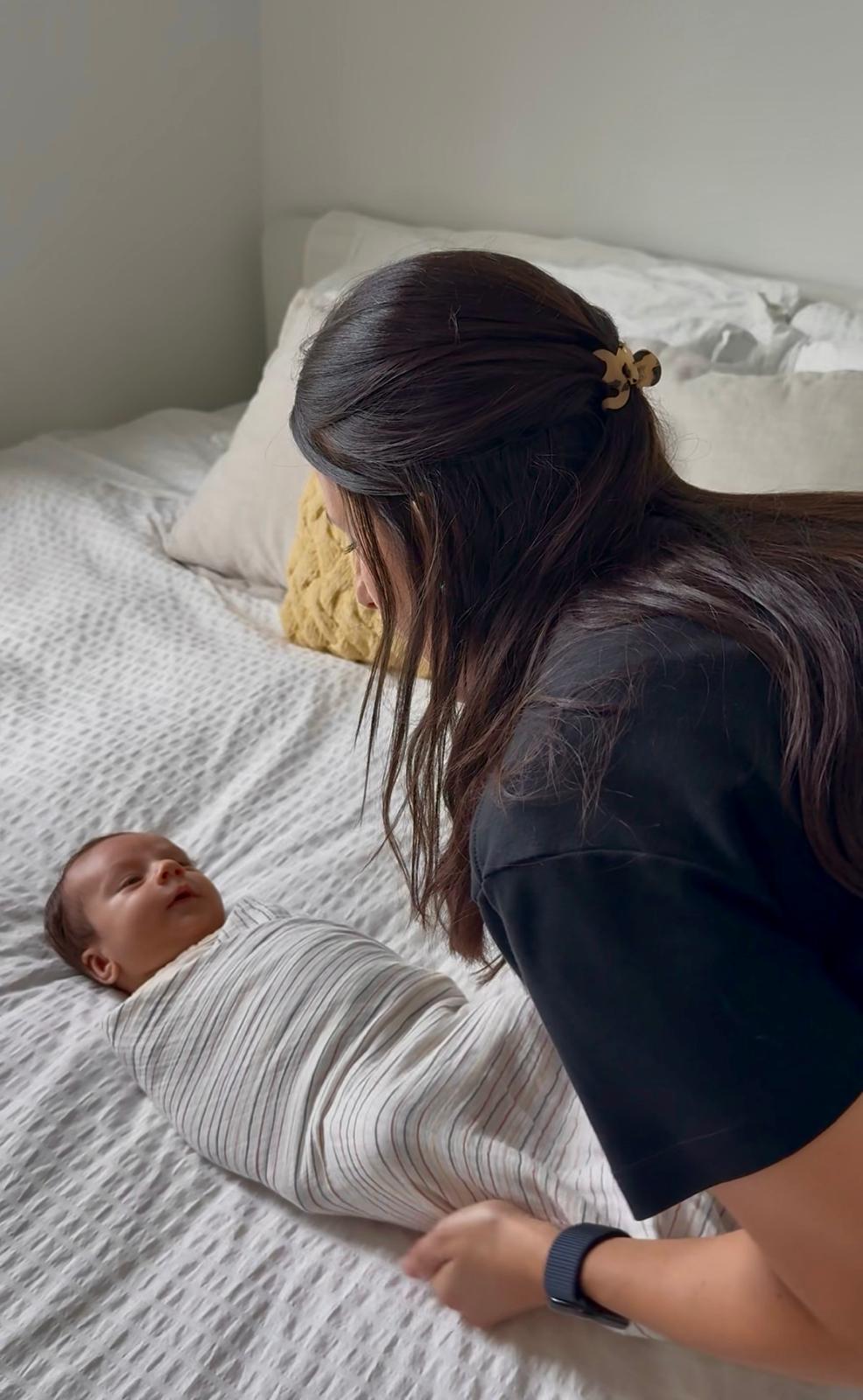
In this episode of Ask the Doulas, we’re joined by sleep consultant Mariana Yancik of Gold Coast Doulas to break down the differences between gentle sleep training methods and the often-debated “cry it out” approach. Mariana shares expert insight on what these methods actually look like in real life, how they impact your baby’s development, and how to choose a strategy that aligns with your parenting style.
We dive into:
• What “gentle” sleep training really means
• The truth about cry it out (and common misconceptions)
• When to start sleep training
• How temperament and family dynamics play a role
• Tips for creating healthy, sustainable sleep habits
Whether you’re in the thick of sleepless nights or planning ahead, this episode will help you feel more confident and informed in your approach to infant sleep.
Perfect for expecting parents, new families, and birth and baby professionals looking to better support their clients.
This episode is sponsored by Cozy Earth. Use the code GOLDCOAST to receive a discount of up to 20 percent off.
Hello! This is Kristin Revere with Ask the Doulas, and I am thrilled to chat with our own pediatric sleep consultant, Mariana Yancik today, and our topic is all about gentle sleep training versus the cry it out method. Before we get into the topic, I’ll tell you a bit about Mariana. She is a pediatric sleep consultant and a certified newborn care specialist and former postpartum doula with over a decade of experience supporting families through the earliest stages of parenthood. She has spent over ten years working hands on with newborns, infants, and toddlers, guiding exhausted parents through those tender, overwhelming first months. After becoming a mom herself, her passion for sleep deepened even more. She experienced firsthand how dramatically sleep impacts a mother’s mental health, confidence, marriage, and overall wellbeing. Today, she specialized in helping families with newborns to older kids, to create predictable routines and achieve restorative, independent sleep. Her approach is structured yet deeply compassionate and responsive. She believes sleep is not about rigidity or extremes; it is about clarity, consistency, and giving parents the support they never meant to navigate without.
Her goal is simple, peaceful nights, brighter days, and thriving families. Welcome back, Mariana!
Thanks, Kristin! Thanks for having me here!
Yes, I love the topic that you chose because I feel like it is the biggest misconception in the sleep consulting industry. Everyone has to utilize the cry it out method, and sleep training is extreme. But we are here to say that you have many options, and gentle sleep training can be one of them. But certainly as you know with your experience, every family is different. Every plan is customized based on the needs. So as consultants, you’re all trained in every method and then adapt to what works for a particular family.
Right. I would say sleep training is one of the most misunderstood topics in parenting. When people hear the words cry it out, or if I introduce myself as a sleep consultant – I don’t like cry it out. I’m not going to do cry it out. And they often imagine a baby being left alone and ignored. But sleep training, it’s not just one method. There are different ways to teach a baby how to fall asleep on their own. Cry it out is a method of sleep training that I don’t even recommend. It’s the extinction method. What I mean when I say cry it out – it usually means for extinction. You put your baby down awake, and then you go back in the morning. So that is what cry it out is, and I don’t believe in that because there’s so many other gentler methods that we can use. And sometimes we combine two things. Every family is different; every baby is so unique. So my plans are always detailed and personalized for that family. So sometimes I combine two different methods, or I adjust one method here and there so we can work better with that baby and that family.
And it’s nice to know that families have an expert to guide them. It’s not like you just give them a plan and walk away and say good luck with this. The consultants are here to adapt, and if things don’t go well, then you have other tools to be able to have families implement, or give them encouragement if it is challenging to create the structure and routine, if they maybe did fully attachment based parenting and aren’t used to putting their baby down in the bassinet for naps, for example.
Right. There are so many gentle methods. I feel like the biggest fear parents have is that letting their baby cry will hurt their bond, and attachment is built from loving, responsive care over time. It is not broken by teaching sleep in a structured way. So some crying can happen when babies are learning something new. The goal is not distress. The goal is helping them to learn.
Right, and it’s not the purple crying. There might be some of the short crying.
Right. I call it a little bit of protesting. Like, they’re protesting the change, and it’s a change of habit. They’re going to protest a little bit. But it doesn’t mean that you’re not going to be responsive. It doesn’t mean that you’re not going to be right there with them.
Exactly. And I know with my son, I used a method where I was in the room and would take steps back. He knew I was there; he was touched. It was very gentle, and it worked so beautifully for us.
Right. The methods also depend a little bit on not just the family, the parents and the baby, but also the age of the kids. For four months old, for little babies who are five, six months old, I usually lean towards one method, and for toddlers, it’s a bit different because they’re talking; they’re walking; they’re getting out of bed. So that’s also different. Gentle methods include things like some check-ins, sometimes staying in the room and slowly moving farther away over time, or picking up and putting down. There is more parent involvement. There’s also a slower process for some families. The goal is the same: the baby learns to fall asleep without needing help every time, because what happens is that baby, when he wakes up in the middle of the night, he’s looking to go back to sleep the same way that he fell asleep in the beginning of the night, and that’s when the parents have to step in and rock the baby back to sleep or offer a feeding. And that never ends because that’s all they know.
Right. Exactly. And the consistency that having a plan gives families, who may have other caregivers like an overnight postpartum doula or a nanny or grandparents involved in care – I mean, we’re in a childcare crisis. So many of our families are relying on their parents, the grandparents, to help. So having that structure and a plan allows you to transition other caregivers and have those routines built in and allow them to help implement, versus things changing based on the personality and needs of each caregiver.
Right. It’s really important that everyone is on the same page. Sometimes dads text me, but the mom is just like, no, I wanted to have another month or so. So that won’t work. They both need to be ready and everyone to be on the same page, so if they have a nanny or a grandma, because otherwise it won’t work. That grandma is going to hold the baby for the nap. So grandma also has to follow the plan, but the plan is right there. It’s there for them to follow so they’re not guessing around. They know what to do and when to do it.
Right. And you did mention working with toddlers. You have more sleep shaping for newborns, and then you mentioned the typical three-to-four-month stage for starting sleep consulting, and that is sort of the stage that, say, a pediatrician might recommend something like cry it out or a sleep training method. And then you also deal with sleep regressions and teething and toddlers who maybe never slept well or all of a sudden are protesting naps and not sleeping the way they used to be. So it’s not just that four-month-old stage; sleep training can last a very long time.
Right. I can help four-year-olds or five-year-olds. I don’t like to do proper sleep training with babies before they’re four months old. That’s why we have the sleep shaping from zero to four months old because it’s just gentle tools that you can implement, and then after four months old or twelve pounds, then we can sleep train. And then that usually is pretty quick to teach them, depending on the method that we choose, but it’s going to be different for a four-month-old and a four-year old or a one-and-a-half-year-old. So it kind of all depends on the age, the kid, the family, the lifestyle, all of that.
Right. Yes. I totally agree. Again, it’s customized, and that’s the difference from taking an online sleep course that will give you some basic tips, but working with a sleep consultant like yourself really allows everything from how the nursery is set up and the other caregivers involved and if there are other kids that need to transported to school during naptime and how that might affect the routine and really getting consistency and some structure in place to help. Even with traveling!
Sure, yeah. Traveling is a big deal, too. If you have the structure and you have the plan to always come back to, you’re always able to adjust when things get out of place. So holidays, travel, sickness, or things that just happen – you can have the grandparents visiting and they’re actually sleeping in the baby’s room, so the baby is going to sleep in the pack and play for a week. Anything that disrupts the routine – knowing what you should do when you’re back home and you’re back in the routine and you know the plan to follow – just follow that for another day when you get back. And then you’re fine. You’re back in that place. And like I said, every baby is really different. Some babies get more upset when parents go in and out of the room for the methods. Others, they feel calmer with reassurance. Some parents feel more comfortable with a gradual approach. Others need a quick plan because they’re tired because they’re going back to work, or because something is happening. A good plan looks at both the baby and the parents together.
I agree, and I find as a doula that sometimes my clients will be expecting their next baby, and all of a sudden, they realize that their toddler isn’t sleeping and they need to get a plan in place, because they can’t wake up twice throughout the night. So they will work with our sleep consulting team like yourself to get the toddler sleeping overnight so they can optimize their sleep with the newborn on the way.
Right. Yeah, that’s a big thing, too, because if you have a two-year-old that’s still waking up in the morning, and you’re having a newborn, you’re not going to survive. I mean, you will because moms will figure it out, but it’s going to be miserable. So we want to make sure that the toddler is sleeping twelve hours, and then you can have your newborn and know that at 7:00, you’re going to put your toddler to sleep, and he’s going to be good until the next day.
Right. Any other misconceptions you hear about your sleep consulting industry, other than cry it out?
So a lot of people think that crying automatically means trauma. And the reality is just that chronic neglect causes harm, not short periods of supported learning with a loving environment. So you’re not going to traumatize your baby. You’re not going to hurt your baby. Some people also think that gentle sleep training means no crying at all. Even some gradual methods can involve some protest while they’re learning, and sometimes, even if you use a no-cry method, in the long run, they will cry more than if you just do a quicker method because they will get too stimulated with the parents coming in all the time.
Another myth I also hear: sleep training is selfish. It is not. The reality is that parental mental health matters. The rested parent is a more regulated, present parent. Happy mom, happy family. If you’re not sleeping and if you’re not good with your mental health, you’re not even the mom that you want to be for your kids.
One hundred percent! Any other words of wisdom or tips for our audience, Mariana?
I would say my approach is structured but caring. I do not believe in extremes, as I said before. I work with the parents and make sure they’re comfortable. I make sure I answer all their questions. Depending on the package that they book, I am with them for a whole week or for two weeks. We look at the baby’s personality, the parents’ comfort level, the family’s goals. Then we choose the best plan together. And consistency is more important than the method itself. So it’s very important to be consistent with whatever we choose. As a mom, I also understand how emotional this decision can feel, but I also know what happens when no one is sleeping. I had postpartum depression and anxiety, and it was crazy. That, with the sleep deprivation, could really impact the family. When the sleep training is done in a way that’s peaceful and caring and loving and consistently, it can change everything. So if you are questioning whether or not, just schedule a call. We offer free calls that we can talk to you, see what’s going on. You can talk with us and see if we’re a good fit. And then you can decide. There’s no pressure.
And you can work with anyone, anywhere in the world, which is the amazing thing about sleep consulting. Unlike doula work where we need to be in person in the community we serve. So our listeners can connect with you, as you mentioned, with the free consultation on our website. Thanks so much for sharing the differences between gentle sleep training versus cry it out, Mariana!
Thanks for the opportunity, Kristin! I hope I was able to bring a little more clarity for the parents out there.
Absolutely. You are amazing, and we will talk soon!
IMPORTANT LINKS
Birth and postpartum support from Gold Coast Doulas