


July 1, 2025
Feeding and NICU Babies: Podcast Episode #297
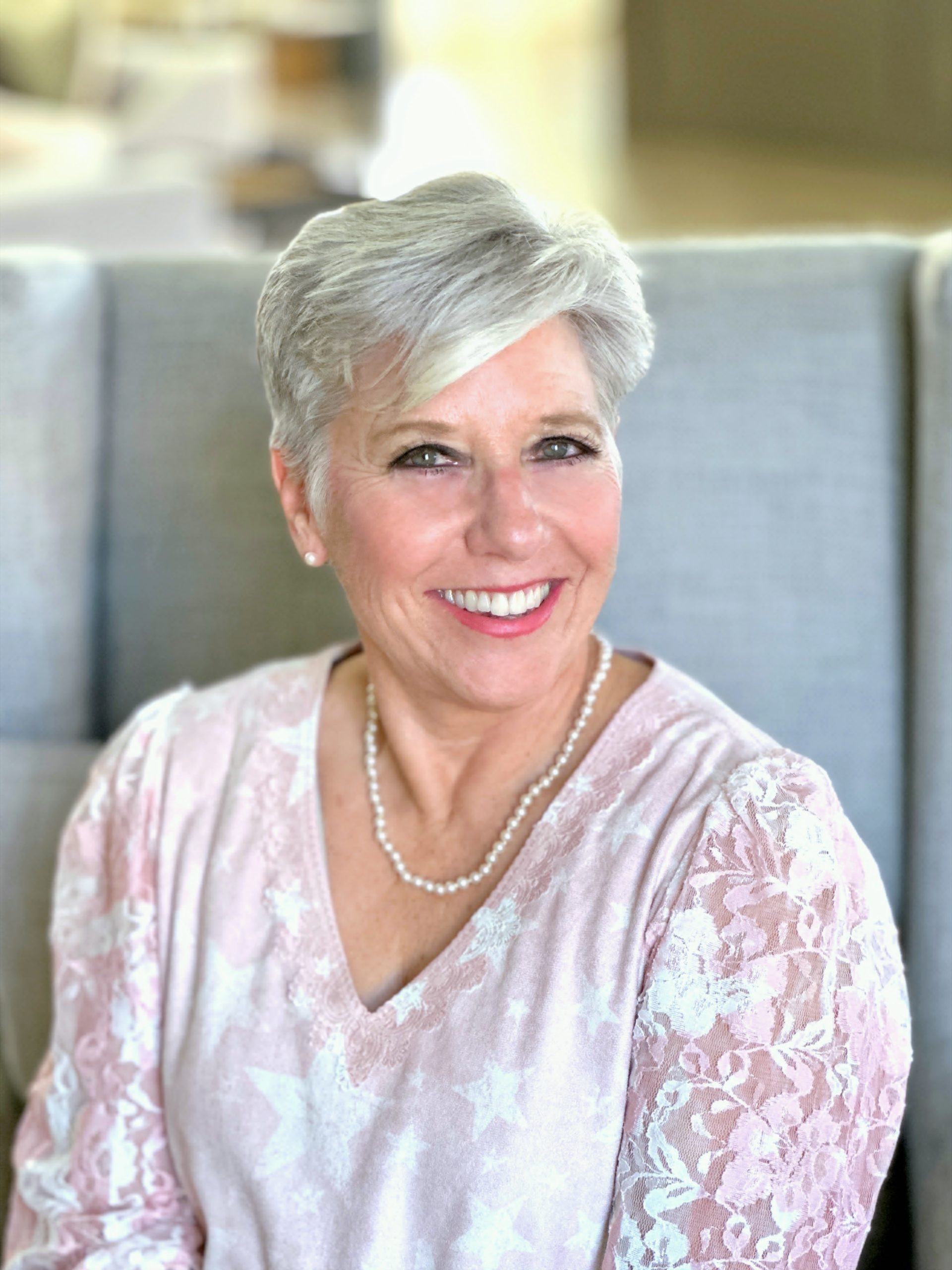
Kris Hapgood and Kristin Revere discuss feeding and NICU babies on the latest episode of Ask the Doulas Podcast. Kris Hapgood, BSN, RN is the CEO of Essential Health Solutions. Kris is a bestselling author of The Gifts of Pain, Volume 3, and a global speaker. She has been a nurse for over 30 years.
Hello, hello! This is Kristin Revere, and I am so excited to chat with Kris Hapgood. She is a BSN, RN, a nurse of more than three decades, and has emerged as a powerful voice in health and wellness, combining her extensive medical expertise with her deep-rooted passion for empowering others.
As a bestselling author of The Gifts of Pain, Volume 3, and a global speaker, Kris Hapgood is on a mission to revolutionize the way people perceive and take charge of their health. In her nursing career spanning over 30 years, she has witnessed firsthand the resilience of the human body and the power of proactive care. Guided by her faith and life-driven purpose, she has dedicated herself to educating and inspiring individuals worldwide. Care for one; that’s love. Care for hundreds; that’s nursing. Teach hundreds to care for themselves? That’s a revolution.
I love your mantra, Kris! And our message today is all about NICU babies and supporting feeding. We could talk about so many different areas related to your background, but let’s focus on NICU babies and your experience supporting them.
Well, thank you, Kristin, so much for having me be a guest on your podcast. Like you said, this is one of my passions, when we’re looking at NICU babies and these moms of NICU babies who need so much support. I’ve been an IBCLC lactation consultant for over 25 years, and like I said, it’s just a very special calling to work with these NICU babies and moms. So let’s start talking!
Yes! So I have a personal story related to feeding and the NICU. My daughter – I had preeclampsia, so I was induced at 39 weeks, and she had minor glucose issues, so she was in the NICU for four days. So my dreams of skin to skin and rooming in and breastfeeding were shattered in that she was given the heel prick and then moved to the NICU right away. So I had very little time to bond and I did the back and forth. So I really struggled with pumping and the timed feedings once she went from IV to enhanced formula to my pumped milk. So I relied on lactation consultants, not only in the NICU, but also that came to my room when I was pumping. So I’m so grateful for the work that you do supporting families with their individual goals.
Yes. You know, that’s like when we look at – Kristin, I’m glad you brought up that you walked in these shoes. As a mom, you go, “What? Where’s my baby? What did I do wrong?” You’re so afraid. You feel like a failure. You feel guilty. And we didn’t even get you out of the starting gate. I know hindsight is always 20/20, but at the hospital where I was working, if we had a baby that had some blood sugar issues, what we would do is we’d put them skin to skin with mom, and 90% of the time, that would bring the sugars up. But again – and then you go up there into the NICU, and you finally get to see your beautiful new baby, and there’s IV lines; there’s monitors on the baby. It’s just like – and you just want to snuggle and cuddle your baby, and you can’t. It’s very sad.
The NICU that I came from was a 90-bed level three NICU. So we had 23-weekers, babies way under a pound. We had big huge babies – the whole nine yards. We had everything from A to Z. But the one thing that I really felt called to be is an advocated for these moms and babies. And that’s like any of your listeners – I’m just going to encourage you, if you feel like I’m a failure, I did something wrong – I need your mama bear hormones to kind of kick in. And it’s like, may I talk to the neonatologist? What can I do here? What is some of your policy? Get to know your nurses. Get to know them. Those can really be your advocates, too. What is your policy for this? What is your policy for that? What can I do? A lot of times, it’s just what that one particular nurse wants to do, and it’s like, yeah, you could probably be doing some kangaroo care in here, but I just don’t have the time right now. Well, I want to do that. So I think it’s advocating for yourself and for your baby. Because then you finally get to do something. You feel like I’m not backed into a corner. Does that kind of make sense?
It does, absolutely. And as you mentioned, every nurse can run their shift a particular way, so you might find that getting to know the nurses, asking questions, being informed, and even if you hadn’t gone through the NICU experience before, it doesn’t mean that you aren’t able to learn as you go. I mean, some of my clients at Gold Coast Doulas know that they’re going to have a NICU stay and are able to prepare and get a plan in advance, but someone like me, who didn’t plan on a NICU stay, would then need to change all of their plans of, say, skin to skin and breastfeeding right away and no pacifier and all of the things learned in breastfeeding class. You have to pivot a bit.
Yes, exactly. And so yes, for the moms that know that they’re going to have a NICU baby, I would definitely start early. Education is the key, the foundation. And get to know, what is that policy? What is their policy about this, this, and this? I know at my hospital, when we knew that we were going to have a NICU admission way before the baby was born, those parents were meeting with the neonatologists. So it’s not just like, oh, visiting hours are from here to here. This is – no, no, no. You want to go in deeper. You want to go in much deeper. Like, when can I be doing this kangaroo care, the skin to skin? Does my baby have to have a bottle? Does my baby have to have that formula? Because even after – so, Kristin, if I was your nurse, I would have been having you hand express colostrum. We would have been gathering up that colostrum, and we would be taking it up to the NICU. We could even be spoon feeding it in the NICU so that baby did not have to have a bottle. There’s all of these other options. So it’s kind of nice to know what the NICU’s policy is so that you can advocate for yourself and your baby. It’s going to be very proactive for you and your baby.
And then in your case, you didn’t know and it was unexpected. So then it’s like, okay, take a big, deep breath. It wasn’t my fault. My baby’s up here. She’s okay. We’ve just got some blood sugar issues. But then what can I do? I would really be – not the claws out yet. It’s like I really want to hold my baby; when can I do that? I’ve read all these studies, the importance of kangaroo care, skin to skin. Do you do the advantage of spoon feeding and cup feeding – can you do that with the breastfeeding? So you want to do that.
A lot of times, I would be the advocate for that mom. Maybe it’s like a 26, 27 weeker and this is the first time she’s got to do kangaroo care. The baby’s a few days old. It’s like, I think we can be doing some kangaroo care, and we put that baby – we lay that baby in between mama’s breasts, and those babies – yes, 26, 27 weeks – they’re starting to smell. The sense of smell is their strongest sense, so they’re going to go like, oh, I think I’m starting to smell the chocolate chip cookies baking here in the oven. And they’re starting to wiggle down and head for that nipple. And it’s like, let them go. Oh, my goodness, what if they latch on? That’s great. What if they get – they’re not going to choke on mama’s milk. I mean, they’re going to lick on that nipple. They’re going to attempt to latch, maybe latch. A few drops of that milk is going to drip into their mouth. That is phenomenal. That is great! That’s what we want them to do!
Yes, absolutely!
It’s just advocating for these babies.
I know at some of the area hospitals that I work with, there are parent support groups so you can talk to other parents who’ve been through the NICU experience and get support that way.
Yes, most definitely. That’s a great resource. Yes, find other parents. And these moms kind of find each other, talk to each other in the waiting rooms or whatever, and it’s like, what, you get to do kangaroo care and your baby’s much sicker than mine and I haven’t gotten to do that? Then, okay, so go advocate for your baby.
Exactly. And I know the back and forth, whether you’re still in the hospital or have gone home, can be exhausting. At Gold Coast, we work with a lot of families with multiples, so one baby might be home and the other could still be in the NICU. So any tips on navigating that and supporting feeding?
Number one, stress. Stress is the number one decrease of milk production. So I’ve got a baby at home. I’m nursing my baby at home and pumping so I can provide milk for my baby in the NICU. That is stressful. And now it’s like, oh, now I’ve got to try to find someone to watch my baby at home so I can go spend time in the NICU. I can’t spend 10 hours a day in the NICU with the baby because I’ve got to be back home.
Again, you want to think about – this is now your job, mom. You are now a mom of twins, so you want to think like, when I’m with this baby at home, I’m going to be doing tons of skin to skin. I was the lactation consultant and the nurse that just said, pretend you’re living in Jamaica under a coconut tree, okay? And they’re looking at me like, what? And I go, would your baby be put in a container? Where would your baby be? Skin to skin? Yep, skin to skin. And then I make sure that when I say skin to skin, that means your bra is off. The baby is only having a diaper on because they usually have a T-shirt on or something. No, no, no, skin to skin is truly skin to skin. And then you want to put that baby in between, in the center of the chest, of mom’s chest, in between the two breasts. And they go, okay, why? Because all of our receptors to increase our milk are on the inner aspects of our breasts. What? When we lay that baby in between the breasts and then I take the left breast, pick it up, wrap it around the baby, take the right breast, pick it up, and wrap it around the baby – then we take that Mobi wrap or blankets or whatever and keep those breasts wrapped around that baby. Those moms, every time – every time, Kristin – those moms within five minutes will go, whoa, what is happening to my breasts? They’re starting to tingle. They’re getting warmer. Guess what? We are increasing milk production. That mom that is at home – again, she just needs to be with her baby there, tons of skin to skin, help her body make even more milk, and then there’s all kinds of pumps out there. I know, all kinds of pumps. But you want to always make sure – rent, even – a hospital grade pump. That’s all the difference in the world. And I tell moms, you go to Target, yeah, you can get that Playtex pump and it’s cheaper, but what does Playtex make? They make bottles and nipples. Does that Playtex company really want you to be successful with breastfeeding? Because they want you to be using their bottles and nipples. So you need to be focused. At my hospital, we only use the Medela hospital-grade pumps, the Symphony pump. We are having those moms breastfeed. So if she’s got one twin at home, she’s breastfeeding that baby, then afterwards, she’s going to be pumping, but maybe for only ten minutes, if that. I just want to stimulate those breasts to say, whoa, we really do have twins; we’ve got to make more milk. And wear that baby.
And then it’s like, okay, now my baby’s here at the house. Dad’s going to be watching the baby. I’m going to be going to the NICU. If the baby can do cup feedings, I would be doing cup feedings while you’re gone with your expressed breast milk. Or find a very slow flow nipple that they can feed from, but it’s got to be from – the best thing is from the cup. And these little babies – I mean, I’ve had little 30 week babies. We set them up, and they just take their little tongue and just lap a couple of drops out of that cup. That is awesome. So even these 40-week babies, your 39 week daughter – she could easily. We just put that cup up to her lower lip. You can Google babies cup feeding, and they’re sitting there and they’re just lapping it up like a little kitten with milk out of a bowl. It’s awesome.
And then when you get to the NICU, then I want you to go, okay, I’m not going to worry about my baby at home. My baby at home is being taken care of. Now I’m going to focus all of my time, my love, and my attention on my baby here. Okay? Then it’s like, tons of skin to skin. And it’s like, okay, let’s say the baby’s still on tube feedings. They’re not able to feed by mouth yet. That’s great. Let me go ahead and pump my breasts and have an empty breast, and then instead of that baby – because what do they want those babies to do? When they’re getting a tube feeding, we’re having them suckle on a pacifier. Well, guess what? Why can’t we do nonnutritive suckling at the breast? So these babies are skin to skin. They’re starting their tube feeding. We want it to be associated with – oh, I’m here. I smell the chocolate chip cookies. Oh, I’ve got this wonderful nipple in my mouth. This is awesome. It’s so much more pliable. This is so much better. Oh, my tummy is starting to get full from the tube feeding. But this 26-weeker thinks he’s a ten-pound 40-weeker that’s breastfeeding. This baby does this several times a day for week after week after week. Do you think that when this baby gets to be about 33, 34 weeks and we start to get to do feedings by mouth, then we go, oh, and the moms are like – I remember this one mom, she was like, oh, I left the milk in my breast. I’m so excited, my baby is actually going to breastfeed today. And she’s so excited, and I’m just kind of chuckling to myself under my breath going, your baby knows what to do. Your baby has been doing this for the last three and a half weeks. And she just thought there was going to be a lightbulb turned on. That baby just went, and then that baby started suckling, and after, like, about three or four suckles, his little eyeballs just popped open really wide and he’s like, yeah! And then he’s just going, going, going. And that baby went home because we had a special unit, a step-down unit, where now these moms could stay with them 24/7, and I worked with that mom and baby and that baby was a very small for gestational age. He was born at, like, 30 weeks, and he went home exclusively breastfeeding. Exclusively breastfeeding! And that empowers mom.
Then, ladies, I want you to think about this. They say, oh, we have high calorie formula. Oh, really? We do. But guess what? Your breastmilk is even higher in calories. And this is something I want you moms to think about. By 17, 18 weeks, your body is already starting to make breastmilk. So you think about this. You know, we go, oh, my goodness, this is my first baby. I don’t know what to expect. And I want you to think about this. Your body and the good Lord is in charge. It is growing and developing a baby just like it should. Your body knows what to do. So you think about this. Do we think, okay, today, I think I’m going to be concentrating on developing my baby, creating its left hand and its left arm. No! Your body is automatically doing that. So if your body’s already making milk, even if your baby is born at 23, 24 weeks, did you know, Kristin, that the components in that colostrum and in that breastmilk is specified just to grow a 23, 24 week baby brain?
Yeah, isn’t it amazing?
It is! And every week, your milk changes to grow with that baby, with that development. It is mind-blowing. And so what some moms may not realize: when we first get pregnant, it’s like, oh my goodness, yes, our breasts got bigger because of the hormones, but why in the heavens are my butt and thighs getting bigger, and the dads start to chuckle. I say, don’t you dare chuckle. She will kill you when you’re sleeping. But your belly never got bigger, but your hiney and your thighs got bigger. And women are like, what’s that for? That’s where your body starts to put the hind milk, the fat for the hind milk. It comes from your butt and thighs. It does. So when we’re getting these babies to the breast – and ladies, 85% of your success with breastfeeding has to do with dad.
I’m glad you said that.
These dads are like, I can’t do that. I don’t have breastmilk. I can’t help. When those dads are on my turf, you’re going to learn what a good, nutritive suck looks like. You’re going to learn what a nonnutritive suck looks like. You’re going to know about body alignment. I mean, us women – we don’t think like a boy. We just don’t. And these dads get alignment. They get alignment. Oh, yeah, that baby is directly in this alignment. They are in a 90 degree angle of this, blah, blah, blah. Oh, no, they’re a little dipping down a little bit; we’ve got to bring that baby up. Then I have never in my 25 years of lactation consultant had to pay a dad a dollar to do breast compressions. When I’m showing them how to do breast compressions and the baby kind of takes off, I say, “Dad, now you’re going to do it,” and when Dad does the breast compression, that baby takes off and goes. And he’s like, yeah. And he’s so excited, and the moms go, “Kris was squeezing a lot harder.” But these dads do not squeeze – it’s just their touch. And those babies take off, and those dads are part of it.
And they want to be involved. I’m glad that you encourage them.
Yes, but they don’t know what to do. Because men have to have tools, and they’re not going to do something kind of unknown. They’ve got to have a tool to kind of fix something. Well, guess what: I’m putting tools in their toolbox. Then those dads just take over and go.
So then I show the dads, you feel all of these marbles here in the sides of the breasts, in the outer part, way up in the armpit and down on the sides? That’s the cheesecake. And they go, “What?” Okay, now let’s take your thumb and let’s just put it on one of those little marbles, and you’re not going to take your thumb and rub it and roll it down to the nipple – nope. It’s just a compression, a vice grip. So you’re just going to take your thumb and take your hand gently at the top of the breast and just kind of pinch your thumb to your fingers and see what happens. And now we’re hearing those babies gulp and they’re getting the cheesecake.
Beautiful.
And so these moms are, like, so excited. The dads are all part of it. And then I’m like, okay, now the baby’s eyes are rolling back in their head. They’ve got their arms drooped off to the side. They’re drooling out milk. I’m like, oh, that baby got a good feeding. Okay, now, mommy, let’s get you out of the chair. Daddy, you get to do skin to skin because you are home. This is where the baby sleeps, plays, and grows. And then we put that baby’s skin exactly on the dead center of the chest, and then I do a bet, and I’ve never lost this bet, either. I say, okay, let’s watch the clock. Here in 20 minutes – under 20 minutes, I guarantee you – your baby, here in the middle with its little head turned to the side, is going to start bobbing and wiggling down to the left side of dad’s chest, kind of headed towards the armpit. And they go, what? And I go, yes, because the way the daddy’s heartbeat sounds way over here is exactly how the heartbeat sounded to that baby in utero. So these babies are going to go to where they’re familiar. Now these dads are doing skin to skin; we’ve got them all wrapped up, and that baby’s starting to go down to the left side of his breast, and they say, I think it’s going to latch. I go, nope, it’s not. It’s just going to hear its heartbeat. When these daddies hear that, I’ve had daddies just get emotional and start sobbing. Your baby needs you!
And then, because the mom’s heartbeat does not sound on the outside like they heard in utero – it’s just that the dad’s got a deeper lub-dub, and that’s the way that heartbeat sounded in utero.
Then what I do is I take the mom over and I go, okay, and you’re going to sit in this chair beside the bed. Now we’re going to pump. Now, are we going to just pump on the one breast that the baby didn’t nurse on? No, we’re going to double pump because we’re telling our body, no, no, no, we really had triplets. We just got finished nursing one baby. Now we’re going to be pumping both breasts. When you can do that at the bedside, when you see dad and baby skin to skin – oh, girlfriend. Your hormones are surging. You feel like a machine marshmallow. You are just making a lot more milk.
And then I tell these moms, stop focusing on the bottles. I’m going to put a baby blanket over your chest and over the bottles. I don’t want you focusing on that.
Yeah, they’re all looking at output and the pressure of it.
Yes. So again, if we were in Jamaica living underneath a coconut tree, what would we be doing? We wouldn’t be watching the clock. We wouldn’t be watching how we’re filling up a bottle. We’d be enjoying the moment. And this is a part – I see so many families fall apart in the NICU because mom feels guilty. Dad is like, how are we going to pay this bill? And they’re fighting the insurance. And then these moms feel guilty because they have to go back to work at six weeks. I’ve got to go back to work but I can’t go back to work. Dad’s like, you’ve got to go back to work. We’re out of money. I’m working. And now the mom feels like the baby is an orphan or being abandoned – all of this.
If these moms do have to go back to work, they need to be letting their employer know a couple of weeks before that I’m going to need to pump. I mean, this is what’s going to get my baby home earlier, just by getting mom’s milk. It’s not like, okay, I’m going to need 45 minutes three times a day to pump. No, no, no, I wouldn’t push it, ladies. I would just say, if you could just give me 15 minutes, and you just do it as quickly as you possibly can. And then even if it’s in your office or if it’s in an empty office.
Here in this state – I’m in Oklahoma – we actually have laws protecting returning to work moms, that these employers must provide them a safe and clean place to express their milk and not the bathroom.
Right, same in Michigan, so I’m thankful for that, the dedicated pumping rooms.
So they’ve got to do that, but I think these moms need to let their employer know, this is my need now. I’m going to be here to work for you, but this is what I need. And then you take maybe an earlier lunch or a later lunch and you’re pumping while you’re having lunch. You pump right before you go to work, and then you can pump at lunch. It’s not the best schedule, but if that’s all that employer is going to give you, then make it work.
Yes. Every drop helps, so whatever you can do.
Here’s a story. I was in Oklahoma City. There was a baby, a term baby, that was born in Tulsa. They did not know she was going to have a heart condition, and after birth, they flew her to my hospital here in Oklahoma City. And my job was to call this mom immediately. I was informed, we’re going to be getting a baby from Tulsa. This is the baby’s name. This is the mom’s name. This is the hospital they’re coming from. Then it would be my responsibility to call that mom immediately. This mom is a very educated mom, okay? And I called her and I said, are you starting to pump? Are you going to be providing milk for your baby? And she goes, I don’t even know what you’re talking about. So I gave her all the benefits of mom’s milk and all of that, especially because her baby had a heart condition and is going to have surgery. We’re going to need all of those great antibodies in that colostrum and in that breastmilk, and she does, okay, I’ll start pumping. I talked to the lactation consultant at the birth hospital. That lactation consultant got her pumping.
Two days later, mom shows up at the NICU and I’m like, okay – and she was bringing her bottles with 1cc or a syringe with 1cc. Her bottle with 5ccs in it, and I was jumping up and down like she just hit the mother lode. And then when she got there, then I said, okay, now we’re going to be moving this pump to your baby’s bedside. You’re going to start pumping here. And I’m going to put you on a different pumping schedule, much stricter than what she had at the birth hospital.
Long story short, she struggled at times when the baby had surgery. Yep, stress. And she was making lots of milk, and then the baby went through surgery, and she was lucky if she could make 2 ounces a day.
Stress will do that.
And I’m like, no, no, no, we’re going to keep going. We’re going to keep going. We’re going to do this. And she couldn’t do kangaroo care yet because the baby was post-op, open chest, the whole nine yards, so we couldn’t do that. But guess what? She got it back up, and we got that baby nursing. The baby was an extraordinary, exceptionally well breastfed baby. That baby went home exclusively breastfeeding. That mom realized the importance of human milk for her baby. That woman became the founder of the Oklahoma Mothers Milk Bank.
Wow, what a story! Amazing!
Amazing. And huge. And we’ve got, like, five depos all over the state where women all over the state of Oklahoma are pumping, bringing extra milk. The milk bank picks it up, they pasteurize it. It’s going out to all these other babies all over the state in hospitals and NICUs because of this one mom’s experience in the NICU.
Moms get things done! You see a need, especially if you experience it yourself, and you create change that’s needed in your communities and your world.
Right. And so she founded a foundation. She got powerful people. Like I said, she was a very educated, influential woman in her community, and she made it work.
What an amazing story.
And that’s just anybody. Even if this is your sixth baby. I had another mom – this was her sixth baby. She was Hispanic. And the nurses were like, I’m sure she breastfed all of her others. Why are you working with her? Well, guess what, she’s never breastfed a baby in the NICU, hooked up to monitors, IVs, the whole nine yards. She’s limited in her English. She’s scared to death. I became like her new best friend. I taught that mom a lot of new tricks she did not know, and she struggled with breastfeeding her other five. She had all these issues. And moms who have breastfed at two years, even successfully, they’re putting on a newborn like they’re still nursing their toddler. They kind of forget, okay, we’ve got to back up a little bit, and let’s do this.
So then they take off and go, and then of course, I get the dad’s going. And I’ve had lots of dads that this is their second baby, and I come in – because I also work the mother-baby floor – and they go, it’s Kris! Oh, yes, we’re living in Jamaica underneath the coconut tree. Oh, look. And I’m like, oh, the baby’s at the breast. He goes, yes, and we have perfect alignment. I say, oh, I see that. And he goes, and look at that great latch. We have flanged out lips. Look at this good, deep, nutritive suckling. Oh, there’s a big swallow of colostrum. I’m like, you’re so right. He goes, now watch this, and he does the breast compressions and all of that. And he goes, I remember what you said, Kris. The boobie buffet is open 24 hours a day. No reservations are required. And you can have any time, any table, anything you want. So I’m like, all right. And he goes, I don’t need you. Pats me on the back and ushers me to the door.
So it’s all about empowering each other. So these dads remember it. Again, I gave him a tool, and now three years later, he had to pull that tool out of the toolbox again, and he’s starting to use it again. And I’ve empowered him. And mom is tired, and she doesn’t have to worry about anything because dad’s going to take care of it, right?
Exactly. And that’s why dads should be at breastfeeding classes, pumping classes. They should be part of these visits with lactation consultants, whether they’re in the hospital, in home, because they can be such an impactful part of the feeding relationship.
And I think, too – and I really want, if dad’s not involved, get a grandma or a friend or something, because I think as new moms, we’re just kind of overwhelmed. We’re going through so much hormone shifts and stuff that we just think, they’re working maybe with somebody in lactation. How do I want to put this? They just aren’t gelling with them. They just don’t have a click with that person. And maybe the dad or the grandma picks it up that we’re not clicking with this person. Then go find somebody else. Just advocate for yourself and that kind of thing.
And talking about advocating: I want to tell another story. It was a very difficult time for me in the NICU, but I got it done, and I really believe that God showed me the way about this. We had a baby – this couple had all kinds of infertility issues, and then finally when they were pregnant, they were just elated. And after about maybe four months of pregnancy, tests came back, and this baby had an anomaly, was going to not live but a few days after birth.
The parents were devastated, and the doctor says, well, I just think we do an abortion, and she goes, no, that’s not an option and will never be an option. She carried that baby, and his name is Matthew. She carried Matthew to term. He was a 40-week baby. And we knew we were going to have a NICU admission. So my lactation consultant partners down on the mother-baby floor in labor and delivery immediately got that mom pumping. And then I’m upstairs with dad and with the baby. We had a phenomenal NICU. And anyway, we got that baby. That baby – long story short, living for six weeks. And she pumped. She pumped, and she provided milk for her baby. Her baby, even though he was a term baby, was only fed with a feeding tube. Was never allowed, and I don’t know why, never allowed to feed by mouth. And I got to know these parents really well. That’s when dad told me – he pulled me to the side and he goes, the moment she found out that she was pregnant, even before we were pregnant, all she could think about was just cuddling her baby in her arms and nursing her baby. That’s all she wanted to do. She couldn’t wait to breastfeed her baby.
And I go, okay, we’re going to make this happen. And I went to all the powers that be. I had to go through quite a few powers. And I said that baby needs to be doing some kangaroo care, and this baby needs to be breastfeeding. The baby took a turn for the worst in the meantime, and it was decided that today we’re going to turn off the ventilator. So we had the blessing to put that baby to breast. And I said, okay, mom, you ready for this? And she goes, yeah. And dad was there. And we put that baby skin to skin, and he smelled the chocolate chip cookies, and he started to wiggle down there. And I said, remove that tube feeding. Remove the tube. That baby latched on. He suckled, gulping at the breast. He nursed for probably 12 minutes, had that sweet little smile, the milk dripping out of his mouth. We propped his head up on mom’s breast and we wrapped them in blankets, and they just snuggled and cuddled, and less than an hour later, he went to heaven.
But that mom continued to pump. I said, okay, dad, now we’re going to have slowly wean her off of the pump so she doesn’t get engorged, and she goes, no, I want to keep pumping, and I’ll eventually wean myself off of the pump. And she donated a total of five gallons of breast milk to the milk bank for all the babies that she provided nutrients for that maybe their moms couldn’t.
Wow. Giving me chills. That’s amazing.
Yeah, amazing moms out there. But it’s just the whole idea, Kristin, about being educated, being your advocate. Just taking one day at a time, finding the right people to advocate for you. Dad involved. Get a family member involved. But ladies, your body knows what to do. Your body will make the milk. Your body knows it. Don’t second guess it. And find help.
It’s a bonding experience with the baby, as you mentioned. It’s exactly what she needed, and you gave her that gift.
And she nursed her baby. So like I said, when we’re talking about the NICU, yeah. We’re talking about the sickest, maybe the smallest of all the babies. Those are the babies that truly – all babies need mom’s milk, but these babies truly do. And just like in your case, Kristin, I’m sorry that they fed your baby formula, that kind of thing. Because they just put a barrier, and it shouldn’t be like that. But I know you can’t override some hospital policies. But still, get up there and advocate as best and as much as you can.
Right. Absolutely.
These moms go through so much guilt, and they are so afraid, and they feel so out of place. And then it’s like, okay, we’re going to do skin to skin, or you’re going to pump and it’s maybe not the ideal situation, and you’re kind of timid, that kind of thing. Just make it work.
Beautiful! So how can we find your book, The Gifts of Pain, 31 Uplifting Stories to Give You Comfort And Help?
What I can do is they can – I will give you a direct link so they can buy this book. It’s going to be $20 plus shipping, and this book will be autographed. It’s best just to probably direct message me so that I can get all the information that way.
Excellent. And how else can our listeners reach out to you, Kris?
I have a website, Kris RN. That is where I’ve got my calendar for appointments or whatever. If there’s someone out there that just needs a pep talk, oh, boy, I can do a pep talk. I also have done Zooms with expectant parents and dad is there, and maybe they might have a doll or something at that, and they’re practicing, and I’m showing dad what to do. I’m empowering this dad. So yeah, I’ll spend 45 minutes to an hour working with couples like that. Like I said, I do all natural alternatives. I’ve been a nurse going on now 32 years. I’ve been a part of the medical model until July of 2020 when I realized that my patients weren’t given all of the information that they needed to really make an informed decision, and I’ve always been a nurse who’s strong with educating people, giving them options so they can make a true, informed decision. And when that wasn’t really an option anymore, I thought, this is wrong, so I left. And now I just have my own company called Essential Health Solutions, and this is what I do. I work with people one on one with natural alternatives. We look at all of it. I don’t look at the symptoms. I address the root causes, and we resolve the root causes.
And you’re all over socials, so people can find you on YouTube and Instagram, LinkedIn, Facebook.
Yep, I’ve got it all. I’m just a voice. I know that God has given me a voice, that God has given me a message, and I know that there are people and moms praying every day for a solution, for help, and I am it. And what I have realized in the last four and a half years is I am no longer hidden. I am no longer being silenced. And I’m out there. That’s why I’m on your podcast.
Thank you for sharing your wisdom with our listeners and all of the important work you’re doing, Kris.
Thank you for having me, Kristin!
IMPORTANT LINKS
Birth and postpartum support from Gold Coast Doulas