


May 21, 2026
Calm Crying and Boost Sleep with Dr. Harvey Karp: Podcast Episode #343
What if calming a crying baby and getting more sleep did not have to feel so overwhelming?
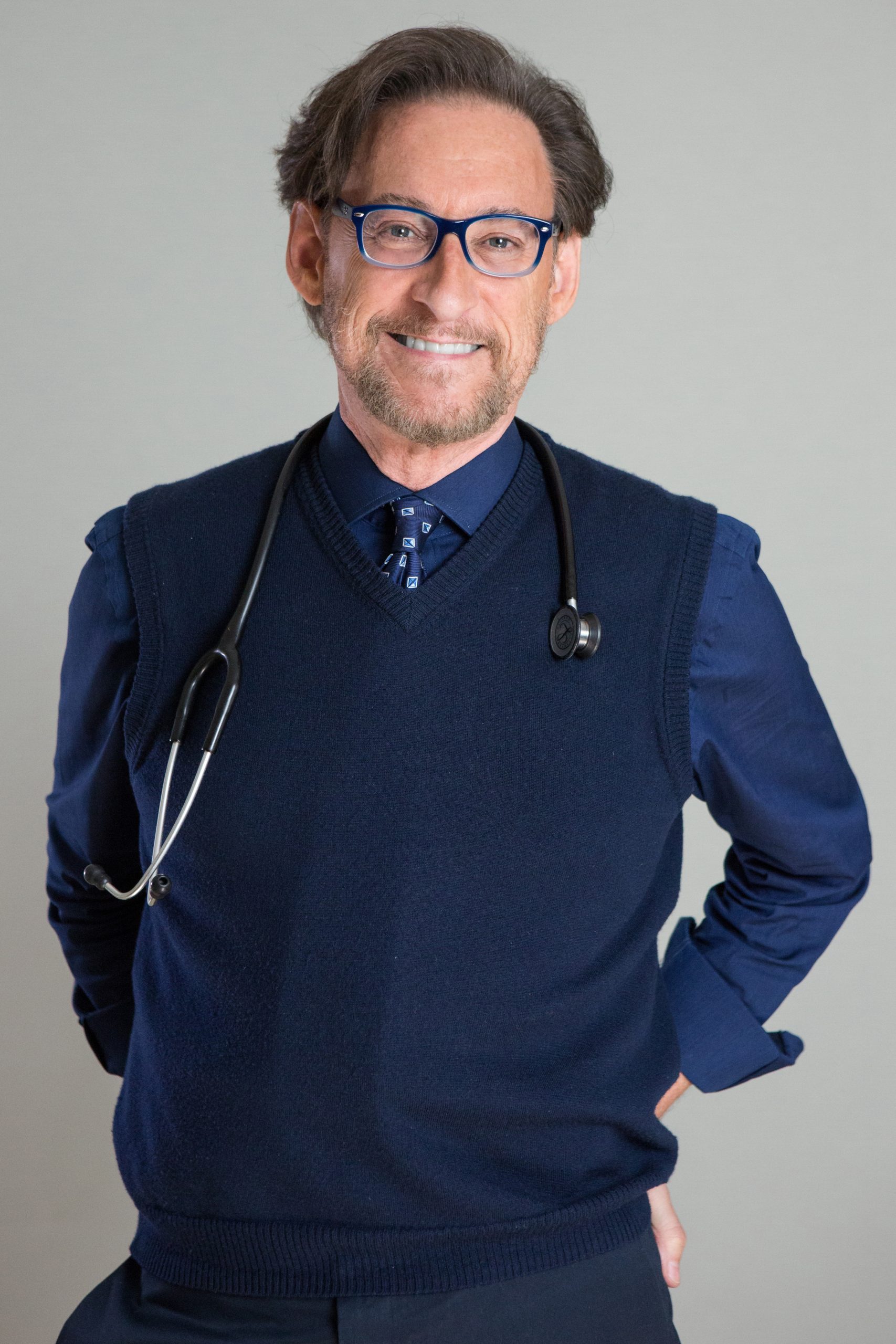
In this episode, Kristin Revere sits down with Harvey Karp, renowned pediatrician, bestselling author of The Happiest Baby on the Block, and founder and CEO of Happiest Baby. Dr. Karp shares practical, science-backed strategies to help parents soothe fussy babies, improve infant sleep, and reduce stress during the early postpartum months.
Kristin Revere and Dr. Karp discuss the powerful connection between calming techniques, sleep, and family well-being. They also dive into the “5 S’s,” common reasons babies cry, safe sleep recommendations, and how parents can build confidence during those exhausting newborn weeks.
Whether you are preparing for baby’s arrival or navigating sleepless nights right now, this episode is filled with actionable tips to help your whole family rest easier.
Tune in to learn:
- Why babies cry and how to respond effectively
- The science behind soothing and sleep
- How the “5 S’s” can calm newborns quickly
- Safe sleep tips every parent should know
- Ways to support parental mental health during the postpartum transition
This episode is a must-listen for expectant parents, new parents, doulas, and anyone supporting families in the early stages of parenthood.
This episode is sponsored by Cozy Earth. Use the code GOLDCOAST to receive a discount of up to 20 percent off.
Hello! This is Kristin Revere, and I am so thrilled to chat about sleep with the legendary Dr. Harvey Karp! Dr. Karp is a world-renowned pediatrician and child development expert. His books and videos, The Happiest Baby on the Block and The Happiest Toddler on the Block, have guided millions of parents and are translated into over 20 languages. Families and caregivers around the world have benefitted from his breakthrough discoveries: the calming reflex, the five Ss, and toddler air. He’s been taught by thousands of specially trained educators in over 20 nations. Dr. Karp is also the creator of Snoo Smart Sleeper, the only FDA De Novo authorized bassinet that keeps sleeping babies safely on the back. Known as a responsive infant bed that adds hours to baby’s sleep, it quickly calms fussing and reduces the risk of dangerous rolling during sleep. SNOO is used in over 200 U.S. hospitals and over 150 leading corporations offer a free six-month SNOO rental as a benefit to their employees. SNOO has won 50-plus top honors and is in the permanent collection of the Smithsonian Institution as an iconic example of 21st century form and function.
Dr. Karp is an advocate for children’s environmental health, and his work has directly led to implementation of state and federal laws protecting children. He is a board member of Environmental Working Group and has served as a spokesman for Natural Resources Defense Counsel and the California Department of Health. He is also a fellow of the American Academy of Pediatrics.
Wow! Welcome, Dr. Karp!
Thank you, Kristin! I think my mother wrote that, so please forgive all of the detail!
You are definitely one of my heroes in the birth and baby space! I was given your books by wise friends when I had a NICU baby who was just fussy and struggled with sleep. I’ve been a fan, and as a postpartum doula, many of my clients have used the SNOO in their home. We are big fans of yours over here at Gold Coast Doulas and the Ask the Doulas podcast.
Well, I’m so grateful for that. Thank you. I’m a big fan of yours, as well, and of doulas overall. I was lucky enough to meet the founders of Doulas of North America, Klaus and Kennell and Penny Simkin. I’ve had opportunities to speak with the leaders, really the founders, in this field. So for 40 years, I’ve been a big supporter of doulas. So it’s really a pleasure.
And we have so much to cover in 30 minutes. We’ll see where this discussion leads! But let’s start out by talking about how to effectively calm crying and boost sleep. We have so many exhausted families, and sleep is so essential not only for infants but also for the entire family.
A thousand percent. You know, I often start by telling parents that they should just reach back their arm and pat themselves on the back, because parents today are doing the job much more than parents did in the past. I mean, we don’t have to go to the outhouse and wash our clothes in the river, so there are advances. But people used to have your mother, your sister, your aunt, your grandmother, your cousin living next door, your older daughter – there was a lot of help in raising a baby. You had your village, as they say. And now people are juggling so many balls and working outside the house and inside the house. People need to just stop and take a breath and recognize that they are doing an amazing job just being able to get breakfast on the table.
Exactly. And you have solved so many problems for families not only with your books but certainly with the SNOO bassinet and expanding benefit programs for employers. I love it. And of course, your hospital advocacy.
Yeah, I mean, we’re really trying to change some very fundamental ways that we understand taking care of babies. And it started with that book you were so kind of mention, which was called The Happiest Baby on the Block, which came out 25 years ago. I can’t believe it’s been 25 years. But I was practicing pediatrics. Just a local neighborhood doc in Santa Monica, California, the area where I live. And I came to realize that there were some very simple things that the most experienced baby care experts, the people who were like magic with babies – there were some very specific, simple things that they did that anybody could do and quickly master and really become the baby expert in their family or in their neighborhood. And that was based on this key concept that was called the fourth trimester, which is the idea that women are ready to – I mean, women are ready to have their baby two months before the baby’s born. The last two months are not the most glamorous period. But the baby isn’t ready even at nine months. Baby horses can run the first day of life. Our babies are very immature by comparison. So the first four, five, six months of life are really an extension of the in utero life. And so we hold babies; we rock them; we shush them. We imitate what the womb was doing, what the uterus was doing for those nine months, which is very dynamic, and people don’t realize that. The womb is not like a quiet, dark, peaceful place. It’s like a symphony of sensations with sound that’s as loud as a vacuum cleaner, the whooshing of the blood flow, and constant motion. Every time the mother breathes, she’s rocking her baby. And of course, when she’s walking or hustling up the stairs. And then constant holding, constant touch. What I came to realize and wrote about is that babies don’t need this “Everyone be quiet; the baby’s sleeping!” when you put them in a dark, quiet room by themselves. That’s actually something that babies don’t do well with. They do well with rocking and shushing and holding, which is why pediatricians for decades have said if you have a very fussy baby or a baby who won’t sleep, there’s a magic cure for that, which is to drive them for a few hours in the car. And that helps so many babies. It’s because we’re able to give them these rhythms that they’re so missing from being in the womb when they’re born.
Yeah, and that’s kind of the mnemonic or the way we try to help people remember what to do, because so many people have babies – I mean, what’s really shocking, Kristin, is people have babies today, and I’m sure you see it all the time – they may never have touched a baby in their lives. They’re excellent at school. They got all As and they’re doing well in their job. But they never had baby experience, which again, is very odd because up until 50 years ago, you would have four brothers and sisters or eight brothers and sisters, and everybody had baby experience. It was just what happened in the family.
They’re raising their younger siblings, yeah. Especially in the farming communities.
Yes. And really for the entire history of humanity, you had this. It’s just the last 50 years, when we thought it was a good idea to move to Detroit or move to New York City and get an apartment and then suddenly you’re living in isolation. It was fun for a few years, but once you have children, you realize how abnormal that environment is. So the five S’s are five simple steps that imitate the womb that turn on – I mean, it’s discovering this idea that babies have an off switch for crying and an on switch for calming called the calming reflex. You turn that on by doing these five things that imitate the womb experience, but you kind of have to do them correctly. It’s kind of like when you go to the doctor and they whack your knee with that hammer. You know, if they whack the knee but they’re off by two inches, it looks right but it’s not going to work. It has to be done exactly right. And the same thing with the five S’s.
So the first is swaddling; that’s with the arms down. That’s the way it works the best for most babies. Most cultures around the world wrap babies with the arms down, and it’s one of the most ancient practices that parents have used for tens of thousands of years for helping babies to feel like they’re back in the womb.
The second S is side or stomach position. Now, that is not for sleeping. That is only for calming your baby. For sleeping, they need to be on the back. Then the third S is shushing or white noise. The fourth S is swinging or rhythmic motion. And the fifth S is sucking, which is kind of like the icing on a cake, and it makes everything else work better. And what’s really curious, and parents learn this over time, is that each baby is a little bit different in that some of them have more of a preference for sound, or for some, sound doesn’t work very well, but they have a preference for motion. Or some for sucking or some need two or three of those things combined. And what’s interesting, being a parent, is that within the first couple of weeks, you can suss out really what your baby’s preference is, and that’s what will always work for them when you go back to calm them. Which ones of the S’s that are particularly effective for them?
Yes, and I find that in our Newborn Survival class, the partners love to learn to swaddle properly and feel like that is one area there can be really helpful. That tight swaddle, and understanding how to properly soothe babies. I love that education before baby is born, rather than discovering your book after and trying to implement the five S’s or getting a SNOO after the fact rather than registering and understanding the importance of an investment like that.
It’s so funny because when you’re pregnant, your body is changing. So many things are changing in your hormonal balance. But you kind of live life the same way. If you want to take a 30-minute shower, you can. You can watch TV. But suddenly when you have a baby, it isn’t like a little change. It’s like the biggest change in your life, and it’s hard work, and it’s demanding in the beginning. But with using the right tools and the right techniques, you can make it so much easier. And what you’re saying is that the partners, the husband, the boyfriend – I mean, men – it’s kind of a silly joke, but men really are terrible at breastfeeding. But we are very, very good at baby calming, and the swaddling is like an engineering job. And shushing and swinging – our arms are a little longer and stronger. So men oftentimes are the calming experts, and women are the feeding experts in the family. And once you learn these techniques – and I do have to say just one thing, which is that I think The Happiest Baby book is a good book. It’s an interesting book; it’s got a lot of data and stories about different parents and different babies. But the best way to learn the five S’s is by watching the video. And there’s a streaming video on our website. We used to have DVDs people would watch. It’s kind of like learning how to tie your shoelaces. I mean, you can learn it by reading a book about tying shoelaces, but you’re going to learn it much better and understand the nuance when you watch it being done over and over again. So that’s the best way that we teach it. Are you familiar with our Happiest Baby educator program? Do you know about that?
I am, yes, but please, fill our listeners in more. There are many birth and baby professionals who also listen, so fill us in!
Yeah, we’ve trained thousands of educators in many different nations. This is just like how you can get a certification in breastfeeding, like an IBCLC. We certify educators to teach the five S’s, and the important part of this, what we’ve learned over time, is when you teach someone in a prenatal class, like you were suggesting, they’re learning so much. Everything is so theoretical. Once they get home with the baby, it’s a completely different story. So teaching before the baby is born is important. But giving parents the streaming video so that they can practice it after the baby comes; they can share it with the grandmother or the other helpers in the family, and really make sure that they’re doing it correctly. So when you train as a Happiest Baby educator, then you get these deep discounts to give all of your students the streaming video, which really cements their success.
That makes a whole lot of sense. I’m a visual learner, so videos certainly help me. And even with technology, I find that trying to figure out some of the gadgets in clients’ homes – it’s easier for me to watch a video than to read the instructions.
Yeah, I think a lot of people are like that. And speaking of technology – thank you so much for mentioning SNOO. I’m so glad that in the heartland, in the middle of our country, parents are learning about SNOO, and not just learning about it, but getting access to it. There are many companies in the Midwest. Like, we’ve got Mapleleaf Farms, the biggest duck farm in America, which is in Indiana. They give SNOO as a benefit for all of their new parent employees.
I love it!
Yeah, we’ve got big companies, banks and mortgage companies and all sorts of companies. Our goal is really trying to get everyone to get a SNOO for free for six months. And we’re working to get insurance companies to cover it. Because it’s like a breast pump. Everyone should have access to it.
Exactly. And not everyone can have an overnight postpartum doula or newborn care specialist, but if they have the SNOO, then the rest can be optimized.
I certainly would say one is not a replacement for the other. It’s really like peanut butter and jelly. I think that doula services are phenomenal because you need that very specific teaching, as you well know; it’s your profession. So having that hands-on expertise about breastfeeding and about baby care – it’s irreplaceable. And then SNOO kind of fills in in between, so that in between the doula visits, parents have this support system. And it’s not just for sleep, mind you. It’s when you’re cooking dinner or taking a shower or playing with your three-year-old or trying to get some sleep. SNOO is there. It gives rocking and shushing, and then when the baby cries, it responds with four different levels of rocking and shushing. Half the time, we can calm the baby within a minute or two, and half the time we can’t calm the baby, because if the baby is hungry or uncomfortable, the SNOO is not going to work, and it just turns itself off and you get your baby and do what you need to do. So it’s not a replacement. It’s really just a support system. And so in general, people use it for six months.
The other thing that we love about SNOO is that it secures babies on the back. Here’s something interesting, Kristin. When you’re working with a family and they put a baby in a high chair, do they usually strap the baby into the high chair, or always?
Usually, not always.
Because when you don’t strap a child into a high chair, of course they can fall. We secure babies to protect them from accidentally moving into a bad position or getting a head injury. And what’s interesting is we do that all day long. But the number one time babies get into really serios problems is during sleep. And we plop them into bed or often bring them into our own beds for 12 hours every single night, completely unsecured. I mean, you wouldn’t drive three minutes in the car without securing your baby, so to leave them twelve hours unsecured – and what is interesting about SNOO is it has a securing system that is FDA authorized for keeping babies safely on the back. It’s the only scientifically proven safe way of securing babies on the back. And I think within a few years, just like everybody puts their baby in a car seat, everyone is going to secure their babies during sleep to prevent them from rolling to an unsafe position, because as you well know, almost 4,000 babies in the US die every year either when they’re brought into bed with their parent or when they roll into an unsafe position. And most of those deaths are preventable.
100%, yeah. My first job out of college was actually at a PR firm, and we worked on the Back to Sleep campaign. So well before I even became a doula, I had a lot of those statistics and the knowledge and information about how to inform families because it was a brand new campaign back in those days.
Yeah, and now everyone knows about it. Interestingly, studies have shown recently that many parents know about it, but they ignore it. And why? Because when you put a baby on the back, they actually don’t sleep as well. So then they start waking up more, and then exhausted parents accidentally or intentionally bring them into their beds, where babies can get into trouble, or they put the baby on the stomach, knowing that they shouldn’t. They don’t tell their doctor necessarily. But they do it because they’re desperate, tortured to be going with sleep deprivation for so many weeks and months. And that’s what we tried. That’s one of the reasons that we invented SNOO and worked with MIT to create this new technology, which is to help parents have the support they need to get sleep while keeping the baby safe. And we’ve now measured. We’re up to about 900 million hours of sleep, so almost a billion hours of sleep. And we’re seeing that we can dramatically improve sleep. Babies sleep an extra hour to two hours more with the rocking and shushing. So that’s a good deal. And then it also secures baby so they can’t roll to danger. So you’re able to get the sleep you need while keeping your baby safe. Anyone can rent a bed, if your employer doesn’t provide it. You can rent it for about – a little bit more than $5 a day, which is kind of a Starbucks, and it ships anywhere in the continental US for free. And then you use it for however many months you want to use it, and then you just send it back. So people can really have access to this, even if they live on a farm, like you were saying, or if they live in an isolated, more rural area. People have access to this new technology.
They sure do. And they look just like a brand new SNOO. Friends of mine, for whom I was their birth and postpartum travel doula, ordered one, and I watched them open it, and it looked like it was brand new, just like clients of mine that bought theirs new. So it is amazing. And so much more affordable! And great for the environment to reuse certified SNOOs. I know that you do care so much about the environment and children’s health. Talk more about how your products are good for the environment, good for infant health.
Well, of course, we know that more sleep is good for all of us. Most of us aren’t getting enough sleep, and that especially goes to new parents. And it isn’t just a joke. I mean, sleep – if you don’t get sleep, you end up getting irritable. Your memory deteriorates. You can get anxiety or depression, which now affects over 20% of all new mothers and many new fathers in the United States, as well. And we have a study going on right now at the University of Colorado using SNOO to evaluate for the prevention of postpartum depression. We haven’t proven that yet, but we have proven that we can help mothers sleep longer, and that’s a big step towards helping to reduce or prevent depression and anxiety.
And of course, for dads, as well, getting more sleep so you can get to work and you don’t get in a car accident – that becomes super important, as well. And then what we’re learning is that we’re really teaching babies to be better sleepers. So SNOO sleep trains babies effortlessly, so they’re automatically sleep trained by the end of the six months, and that sets them up for better sleep. And when you’re sleeping better, we know that improves brain development. So part of our goal is to really not just help during these early months but to set children up for success by giving them the most nurturing environment, just like you give the best milk, whether it’s breastmilk or the best formula. You also want to give the best sensory environment to children, rather than putting them in dark silence for 12 hours at night. Put them in a rich, rocking, shushing environment that is much more nurturing for them.
And then as you said, we use the beds over and over, so that’s better for the environment. And ultimately, what we’re learning about in the United States and around the world is that parents are working so hard. They’re choosing not to have more babies. And so what we’re doing with SNOO – the drop in birth rate is equally a very serious issue – so we’re trying to address that as well.
Well, as a doula who relies on more babies being born, I appreciate your efforts as well!
We all depend on that, and we’ve taken advantage of mothers for too long to just think, well, you’re a mother. You just do the job. It’s the toughest job, most rewarding job. And now women are doing that and going to a job outside the home, and they need and deserve support because we depend on parents having babies to keep the culture and the country going. So it’s important that we be good to parents. Don’t get upset when people and their babies are crying. Understand that these folks are stressed and that they just need a smile and a helping hand and encouragement.
Thank you so much, Dr. Karp. And certainly addressing the toddler stage is also important because toddlers resist naps and also struggle with sleep. We do sleep consulting up to age five and have a lot of families that are expecting a baby, but their toddler isn’t sleeping well, so they want to get that handled. So I’d love for you to talk a little bit about The Happiest Toddler on the Block.
Oh, my gosh, you’re so sweet to mention that. So many people know about the baby work and don’t know about the Happiest Toddler book. That’s a book and a video, as well. I kind of think that ultimately – I mean, we’re very involved in helping new parents right now, and that’s a big job. But ultimately, you get through those first six months by hook or by crook. You get through it. But between eight months and five years of age, you’ve built a person. People are just winging it. Most people don’t have a lot of experience taking care of toddlers. So The Happiest Toddler book and video – that teaches really how their brains work. And I think what I’m known for and what I developed in my pediatric practice are very practical steps. I mean, do this and you will see improvement within a day. That’s the kind of thing that I worked on with the families in my practice, and with toddlers, maybe it’s not a day. Maybe it’s a week. But there are very simple and actionable techniques that, when you do them, even though they’re sometimes surprising or seem counterintuitive – when you do them, you actually see them working in the course of days or weeks. And I’ll give you one example of that. A lot of these things are common sense, to be honest with you. But one is that we always speak directly to our children. We give them praise or we give them criticism, if they’re doing something we don’t like. But you can make your praise and your criticism five times more effective if you gossip about it and allow your child to overhear. So what it means to gossip is to whisper to the bird outside or talk to grandma on the telephone or pretend to talk to grandma on the telephone and say something without looking at your child, but something that they can overhear you saying that reinforces the mention. “Grandma, Bobby ate all of his peas! I said good job!” Don’t wink and look at Bobby, because that blows your cover. You appear to not be meaning to be overheard. But what happens is that all of us, even adults, believe more that we overhear than what’s told directly to us. Like if I say to you directly, “Hey, Kristin, you look so great today,” you’re going to say thank you, but you’re being polite. But if you overhear me whispering in the hallway outside, “Hey, Kristin looks great today,” it’s more credible. There’s no ulterior motive. It’s a very simple technique. Kids love it. Parents love it. And you literally within days can see improvement in behavior.
What a great tip. Yes! So any other advice for our listeners who either are pre-conception and want to get ahead of the game or have a newborn and are struggling with sleep?
Well, we have, just as you have great resources for families, we have great resources as well on our website. Anyone can come to happiestbaby.com. We have about a million people a month coming just to get free information about babies and toddlers. Of course, there are the books and the streaming videos that people can get and start learning about their children, as you were so kind to mention. And one other resource that’s really great: my wife and I both are on the board of directors of Environmental Working Group, or EWG.org, which is a fantastic organization that has all sorts of free apps and information to help guide you as a new parent into what foods to buy in terms of foods that have less pesticide on them or are healthier for your child. What cleaning products, what personal care products to get. We have an app that you can scan the barcode and it will tell you if it has ingredients that you want to steer clear of. So that’s another great resource for people, EWG.org. And we would be delighted to speak to anyone’s employer about how they can provide this as a benefit for their employees. It’s very inexpensive. It’s like the cost of a coffee to give someone a 24-hour helper in the house.
And how can our listeners check their plan to see if their employer already has it? If you have everything from banks to farms… I know helping my clients navigate their coverage that may or may not include birth doulas and postpartum doulas has been overwhelming for some of them. So how do they figure out if they have it, and as you mentioned, try to appeal to human resources and get that added?
That’s exactly right. You speak to human resources, and if they don’t know about it, then they can contact us through the website, Happiest Baby, and then we’d be happy to have a conversation with them. We’re trying to get this into as many groups as possible. For example, we’re in conversations with the U.S. military to get it to our armed services. We have started Medicaid programs. So we have one launching in Columbus, Ohio, where 125 teen moms will get this paid for through Medicaid. Across the state of Wisconsin, we have a project in seven hospitals with hundreds of families of premature infants getting SNOOs so they can get sleep and peace of mind to give these babies the additional rhythms that they should have had when they were in the womb, but they weren’t able to get because they were born so early. So we’re trying as hard as we can to get into state-run programs and all sorts of programs. So anyone who’s interested in speaking to their community, to their local government, to their employer – we would be delighted to engage in those conversations.
I love it. You mentioned your website, Dr. Karp, and I know you’re all over social media. What are the best social channels for our listeners to find you?
Well, Instagram is probably the one that we’re most active on. LinkedIn, as well. But Instagram is the one where we do the most posting, which is @happiestbaby. And then the website, where we give so much information.
Thank you! It was an honor to chat with you, and I so appreciate the work that you’re doing, Dr. Karp.
Thank you, Kristin, and I so appreciate your work as well! I’m lucky in that I get to be up at this 30,000 foot view, but you’re there working with people day in and day out, helping them in real time, in real life, and there’s nothing that can replace that type of support from a doula. So hats off to you for the work you’re doing!
Thank you!
IMPORTANT LINKS
Birth and postpartum support from Gold Coast Doulas